Global demand for dependable lip care is creating new opportunities for Chinese manufacturers. A Chapped Lips Stick must do more than add fragrance and color. It should protect dry lips, apply evenly, and remain stable during international transport.
Grand View Research reports that the global lip care products market was valued at approximately USD 4.6 billion in 2023. Its report also projects steady growth through 2030, supported by skincare awareness and premium product demand. Fortune Business Insights identifies similar expansion patterns, although market estimates differ because researchers use different product categories and regional data. That difference deserves attention.
China remains an important sourcing base for private-label cosmetics. Buyers can compare OEM and ODM factories offering beeswax, plant oils, petrolatum, vegan waxes, tinted formulas, and SPF options. However, a polished catalog is not proof of manufacturing quality. Reliable suppliers should provide ISO 22716 systems, complete ingredient documentation, stability testing, microbial testing, and batch traceability.
Dermatologist Dr. Joshua Zeichner explains, “Lip balms are designed to create a protective seal over the skin and prevent water loss.” This practical principle matters when evaluating a Chapped Lips Stick for cold, dry, or windy climates. The formula should feel smooth, not gritty or excessively waxy. Packaging should also withstand heat exposure inside shipping containers.
Some supplier comparisons still rely too heavily on factory claims. That is a weakness. Global buyers should request samples, inspect production records, verify test reports, and assess communication before placing large orders. The best China suppliers combine formulation experience, transparent documentation, flexible customization, and consistent delivery performance.
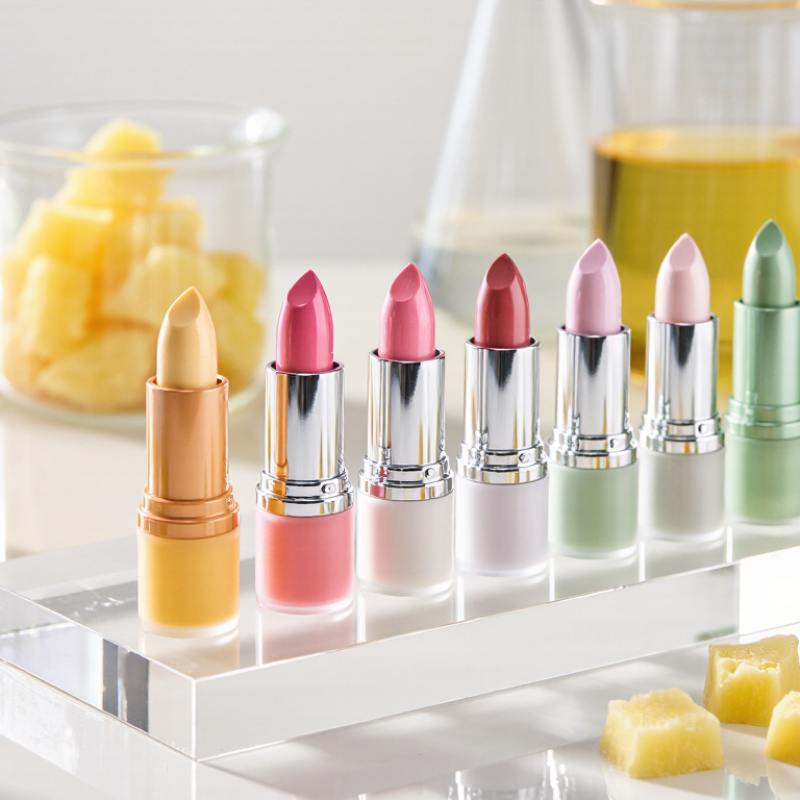
Chapped lips sticks are solid lip-care products designed to protect dry, cracked skin. They usually combine waxes, oils, emollients, and conditioning ingredients. The stick format fits pockets, handbags, hotel counters, and retail displays. It also reduces direct finger contact during application. A useful formula should glide smoothly, leave a comfortable film, and avoid excessive drag. Not every product performs equally. Heat can soften the stick, while cold may make it brittle.
Global buyers often source these products from China because the supply network covers formulation, filling, packaging, and inspection. Manufacturers can produce slim tubes, paper-based packs, and custom molded formats at different order volumes. Experienced suppliers may adjust texture for humid tropical markets or dry winter regions. They can also support sample development, artwork preparation, batch coding, and export documentation. These details matter when buyers compare landed cost rather than unit price. A lower quotation is not automatically better.
Reliable sourcing requires evidence, not attractive samples alone. Buyers should review ingredient specifications, stability data, microbiological test results, and packaging compatibility. Independent inspections can verify fill weight, labeling accuracy, carton strength, and batch consistency. Clear communication helps, although misunderstandings still happen around fragrance, shade, or tolerance limits. I have seen small specification gaps create expensive rework. That risk deserves attention. Buyers should request a pilot order, define acceptance standards, and confirm applicable market requirements before larger production. China's manufacturing depth is valuable, but careful verification remains part of the product itself.

Finding a leading Chinese chapped lips stick supplier requires more than comparing prices. Start with factory evidence, not polished product pages. Ask for a current business license, production address, quality certificates, and export references. Then confirm whether the factory actually manufactures lip-care products. Some traders present themselves as manufacturers. That distinction matters.
Request samples from different production batches. Check glide, odor, stick strength, surface smoothness, and packaging fit. A reliable supplier should provide ingredient lists, safety data, test reports, and stability records. Review microbial results and packaging compatibility carefully. Do not accept vague claims about natural ingredients or long shelf life. Clear documentation shows professional control. A factory audit, either in person or through an independent agency, can reveal storage conditions, hygiene practices, and batch traceability.
Discuss minimum order quantities, sampling fees, lead times, customization limits, and corrective-action procedures. Ask how the supplier handles cracked sticks, filling defects, or delayed shipments. Communication quality is practical evidence. Fast replies are not enough; answers should remain consistent and specific. No checklist is perfect. A clean sample can still hide process weaknesses. For this reason, use a written specification, approve a pre-production sample, and keep testing records. A cautious buyer should also verify compliance requirements in every target market before placing a large order.
China Top Chapped Lips Stick Suppliers for Global Buyers
Reliable lip care sourcing starts with the formula. Common bases include petrolatum, beeswax, shea butter, and plant oils. These ingredients help reduce moisture loss and create a smooth glide. Panthenol, ceramides, or vitamin E may support a more conditioning finish. Each addition changes texture, stability, and cost.
There is no universal formula. Dry winter air needs stronger barrier protection, while hot climates require better melting resistance. Fragrance-free and essential-oil-free options can suit sensitive users. Tinted sticks add color but need careful pigment dispersion. Squeeze tubes work well for soft balms, while twist-up sticks offer cleaner application. Pots remain practical, but they require direct finger contact.
Packaging should match the formula and sales channel. PP or HDPE components can support durable, lightweight designs. Recyclable structures sound attractive, yet local recycling access must be checked. A compact tube may look premium, but weak mechanisms can cause product waste. Request samples before approval. Check twist performance, leakage, odor, surface sweating, and label adhesion. Suppliers should provide ingredient lists, batch records, stability data, and packaging compatibility results. Small details matter. A common mistake is judging only the first application. Recheck samples after heat and cold exposure. Even good formulas may need revision.
| Product Category | Key Formula Components | Primary Function | Typical Product Format | Common Net Weight | Suitable Packaging Options | Global Buyer Considerations |
|---|---|---|---|---|---|---|
| Basic Moisturizing Lip Balm | Petrolatum, mineral oil, microcrystalline wax, beeswax, paraffin | Creates an occlusive barrier and reduces moisture loss | Twist-up stick, pot, squeeze tube | 4–5 g per stick; 5–15 g per pot or tube | PP or ABS stick tube, aluminum tube, polypropylene jar, paperboard carton | Confirm mineral-origin documentation, fragrance compliance, and compatibility with the target market |
| Natural Wax-Based Lip Balm | Beeswax, candelilla wax, carnauba wax, castor oil, coconut oil, plant butters | Provides structure, glide, and a protective surface layer | Stick, paper tube, tin, pot | 4–6 g per stick; 8–15 g per tin or pot | Recycled paper tube, aluminum tin, molded fiber carton, standard plastic stick | Vegan products generally replace beeswax with candelilla or carnauba wax; verify vegan claims with raw-material records |
| Shea Butter Repair Balm | Shea butter, cocoa butter, beeswax or plant wax, jojoba oil, sunflower oil | Softens rough lips and improves emollience | Cream stick, balm pot, squeeze tube | 4–5 g per stick; 10–15 g per pot or tube | PP stick, aluminum tube, laminated tube, glass or plastic jar | Check butter odor, crystallization behavior, melting point, and stability under hot-climate transport |
| Lanolin-Enriched Lip Balm | Lanolin, petrolatum, beeswax, hydrogenated oils, vitamin E | Supports intensive moisturization and barrier protection | Stick, squeeze tube, ointment tube | 4–5 g per stick; 5–15 g per tube | Plastic stick, aluminum ointment tube, laminated tube, carton | Declare animal-derived ingredients where required and assess suitability for vegan or allergen-sensitive markets |
| Ceramide Barrier Balm | Ceramides, cholesterol, fatty acids, petrolatum or plant oils, waxes | Helps support the skin barrier and relieve dryness | Stick, precision tube, balm pot | 3.5–5 g per stick; 10–15 g per tube or pot | Airless tube, laminated tube, PP stick, protective carton | Request active-ingredient specifications, assay data, preservative strategy, and accelerated stability results |
| Dimethicone Protective Balm | Dimethicone, waxes, mineral oil, petrolatum, emollient esters | Forms a smooth protective film and improves slip | Stick, tube, applicator balm | 4–5 g per stick; 5–10 g per tube | PP stick, PE or laminated tube, tamper-evident carton | Check silicone compatibility, claims language, and local cosmetic ingredient requirements |
| SPF Lip Protection Stick | UV filters combined with waxes, oils, butters, and film-forming agents | Helps protect lips from ultraviolet radiation | Twist-up stick, slim stick, tube | 3.5–5 g per stick | Opaque PP stick, UV-protective overcap, blister or carton | SPF testing, broad-spectrum substantiation, permitted UV filters, and labeling rules differ by destination market |
| Tinted Moisturizing Lip Balm | Plant oils, waxes, butters, iron oxides, approved lakes, or mineral pigments | Combines light color payoff with moisturization | Colored stick, slim tube, click pen | 3–4.5 g per unit | Color-matched stick, printed carton, shrink band, tamper seal | Verify colorant approval, shade consistency, migration resistance, and color labeling requirements |
| Flavored or Scented Lip Balm | Wax and oil base with food-style flavor or cosmetic fragrance | Adds sensory appeal while maintaining basic lip care | Stick, tube, pot, gift set | 4–5 g per stick; 5–15 g for other formats | Printed stick, recyclable carton, multipack sleeve, display box | Review fragrance allergens, flavor safety documentation, leakage risk, and odor transfer during shipping |
| Overnight Lip Mask | Petrolatum or plant oils, butters, waxes, hyaluronic acid, vitamin E | Provides a rich occlusive layer for extended wear | Jar, squeeze tube, spatula applicator | 8–15 g per unit | PP jar, glass jar, laminated tube, inner seal, folding carton | Evaluate microbial protection, jar hygiene, texture stability, and compatibility with included applicators |
Choosing chapped lips stick suppliers in China requires more than comparing unit prices. A polished catalog proves little. Global buyers should verify the factory’s legal registration, production address, export history, and responsible contact person. Request recent audit reports, manufacturing photos, and a clear list of subcontracted processes.
Compliance needs product-level evidence. Ask for ingredient specifications, allergen information, safety assessments, and stability data. Packaging should show batch codes, net weight, usage directions, and shelf-life details. Requirements differ between markets, so suppliers must support destination-specific reviews. A reliable supplier will explain gaps instead of hiding them.
Quality control should follow the product from raw materials to loading. Review incoming inspection records for waxes, oils, pigments, and containers. Check mixing temperature, filling weight, stick hardness, surface appearance, odor, and leakage. Keep approved samples for comparison. Third-party testing can confirm microbiological safety and restricted substances.
Do not trust paperwork alone. An excellent audit file may still miss a weak production shift. Ask to inspect batch records and observe line clearance. Some suppliers provide neat documents but vague answers. That is a warning. I would also repeat testing after formula or packaging changes, even when the supplier says the change is minor. Small changes matter. Suppliers should accept corrective actions, trace complaints, and provide a realistic recall procedure. Reliability appears in details, not promises.
China Top Chapped Lips Stick Suppliers for Global Buyers
Comparing quotes requires more than checking the lowest unit price. Request prices at identical quantities, packaging specifications, and Incoterms. Include molds, artwork, testing, cartons, and inland transport. Grand View Research estimated the global lip care products market at about USD 4.5 billion in 2023. That growth increases supplier choices, but also increases quotation noise. A low quote can still become expensive.
Ask for three identical samples from separate production batches. Check glide, wax drag, scent, color, melting resistance, cap fit, and leakage after transport. Record results with photographs and simple temperature tests. ISO 22716 guidance supports controlled cosmetic manufacturing and documented quality practices. However, a polished sample does not prove stable mass production. This is where buyers often become too optimistic.
For logistics, request carton dimensions, gross weight, pallet plans, HS classification, certificate availability, and production milestones. Compare air, sea, and rail options using landed cost, not freight alone. The World Bank’s 2023 Logistics Performance Index highlights customs, infrastructure, and shipment reliability as major supply-chain factors. Ask whether the supplier can provide batch records and export documents before shipment. Confirm destination labeling and import requirements with local authorities. Details matter here. One overlooked carton measurement can change the freight calculation. My own purchasing preference is a clear, slightly higher quote, though that judgment can still be wrong. Recheck every assumption before signing.
Typical export-planning ranges for comparing quotations, samples, production schedules, and international delivery options.
Ranges are practical planning benchmarks rather than supplier-specific quotes. Actual timing depends on formulation approval, packaging readiness, order quantity, customs clearance, seasonality, origin, and destination.