Leave Your Message

How to Choose the Best Chapped Lips Stick?

Choosing the right Chapped Lips Stick can feel simple, but the wrong formula may worsen dryness. Wind, cold air, dehydration, and frequent lip licking can all damage the delicate skin barrier. A useful product should reduce moisture loss, soothe irritation, and feel comfortable during daily use.

Look beyond bright packaging and sweet flavors. Dermatologists commonly favor protective ingredients such as petrolatum, shea butter, ceramides, and dimethicone. These ingredients can form a soft barrier over cracked lips. If you spend time outdoors, consider broad-spectrum SPF protection. Fragrance, menthol, camphor, and strong flavoring may feel refreshing, yet they can irritate sensitive lips. Not every “natural” ingredient is gentle.

Read the ingredient list carefully.

Personal comfort also matters. A thick stick may protect better overnight, while a lighter formula suits daytime reapplication. Test a small amount when possible, and stop using it if burning, swelling, or worsening redness appears. A product that works for one person may disappoint another. That is easy to forget.

Reliable choices should come from transparent brands with clear labeling and sensible safety guidance. Avoid products promising instant healing or permanent results. Severely cracked, bleeding, or persistent lips may need advice from a qualified healthcare professional. This guide compares texture, ingredients, sun protection, packaging, and value, helping you choose with realistic expectations rather than marketing promises.

How to Choose the Best Chapped Lips Stick?

What a Chapped Lips Stick Is and How It Works

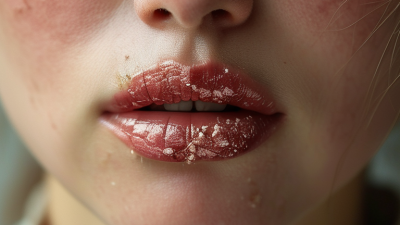
A chapped lips stick is a solid skin-protectant product. It usually contains waxes, oils, or occlusive ingredients. These materials form a thin layer over the lip surface. The layer slows water loss and reduces friction from talking, eating, or cold air. The vermilion area has limited protective oil production. Dryness can develop quickly there.

The American Academy of Dermatology Association recommends fragrance-free products for irritated lips. Its guidance also highlights petrolatum as a useful barrier ingredient. The FDA’s OTC Monograph M016 lists several recognized skin-protectant ingredients, including petrolatum and mineral oil. These ingredients do not “add” water directly. They help keep existing moisture inside the outer layer. Humectants may attract water, but they can feel uncomfortable in very dry weather without an occlusive layer.

Small details matter. A stick should glide without pulling the skin. A strong scent is not proof of effectiveness. In fact, flavoring and fragrance may irritate sensitive lips. Repeated licking can worsen dryness because saliva evaporates quickly. I once assumed a cooling sensation meant healing. That assumption was too simple. Cooling may come from an irritating flavoring ingredient. Grand View Research estimated the global lip care market at about 3.4 billion U.S. dollars in 2023, showing strong consumer demand, but market size cannot prove product quality. Check the ingredient list, patch-test cautiously, and stop using the product if burning or swelling develops.

Key Ingredients for Moisture, Protection, and Lip Repair

How to Choose the Best Chapped Lips Stick?

Key Ingredients for Moisture, Protection, and Lip Repair

A good chapped lips stick should reduce water loss, soften flakes, and shield skin from wind. The American Academy of Dermatology Association recommends ingredients such as petrolatum, mineral oil, dimethicone, ceramides, and shea butter. These choices support moisture retention without relying on a strong cooling sensation. Fragrance, menthol, camphor, eucalyptus, and salicylic acid may irritate already damaged lips.

The U.S. Food and Drug Administration’s OTC Skin Protectant Monograph lists dimethicone at 1–30% and petrolatum at 30–100% for protective use. These ranges offer useful buying guidance, but a higher percentage is not automatically better. Texture, tolerance, and repeated application also matter. Look for a smooth stick that leaves a flexible film, not a waxy drag.

Apply it after washing your face, before outdoor exposure, and before sleep. Reapply after eating or wiping your mouth. Patch-test first. I sometimes choose a glossy formula because it feels comforting, yet comfort can hide poor protection. A simple formula may work better. Avoid licking your lips, since saliva evaporates quickly and can worsen dryness. If cracking persists, bleeds, or appears at the corners, seek professional advice rather than changing products endlessly.

How to Choose the Best Chapped Lips Stick? - Key Ingredients for Moisture, Protection, and Lip Repair

Ingredient or Feature Primary Category How It Supports Lips Best For What to Look For Application Guidance Key Caution
Petrolatum Occlusive Forms a protective layer that reduces water loss from the outer skin and helps shield damaged lips from environmental exposure. Very dry, cracked, or weather-exposed lips. Petrolatum listed among the main ingredients, especially in a simple, fragrance-free formula. Apply a thin layer whenever lips feel dry and before bedtime. Stop using if irritation or a rash develops.
Mineral Oil Occlusive Helps reduce moisture evaporation and improves the glide of a lip stick. Routine daily protection and mild dryness. Mineral oil combined with a humectant or wax for balanced texture. Reapply after eating, drinking, or wiping the lips. Choose a product suited to your personal sensitivity preferences.
Dimethicone Protective Silicone Creates a smooth, breathable-feeling barrier that can reduce friction and protect the lip surface. Dryness caused by wind, cold air, or frequent lip contact. Dimethicone in a non-stinging, fragrance-free base. Use during the day as a protective maintenance layer. Discontinue if burning, swelling, or persistent irritation occurs.
Beeswax or Candelilla Wax Structure & Barrier Helps create a firm stick and adds a surface layer that limits moisture loss. People who prefer a solid, portable lip balm. Wax combined with moisturizing oils or occlusives rather than used as the only conditioning ingredient. Apply evenly without pressing hard over painful cracks. Beeswax may not suit people with sensitivity to bee-derived ingredients.
Glycerin Humectant Attracts water to the outer layer of the skin, supporting a softer and more flexible feel. Mild to moderate dryness and rough texture. Glycerin paired with an occlusive ingredient to help seal in moisture. Use with regular reapplication, particularly after cleansing or eating. A humectant-only product may not provide enough protection in dry weather.
Ceramides Barrier Support Support the skin barrier by contributing to the lipid structure of the outer skin layer. Repeated dryness or a weakened-feeling lip barrier. Ceramides combined with emollients and occlusives in a gentle formula. Apply consistently rather than relying on a single use. Check the complete ingredient list if you have known sensitivities.
Shea Butter Emollient Softens rough skin and improves the smoothness and comfort of the lip surface. Dry, tight, or rough lips needing a more conditioning feel. Shea butter combined with barrier-forming ingredients for longer-lasting comfort. Apply as needed during the day and before exposure to cold air. Patch-test if your skin is sensitive to botanical ingredients.
Sun Protection UV Protection Helps protect lips from ultraviolet exposure, which can contribute to dryness and long-term sun damage. Outdoor activities, travel, high-altitude areas, and sunny climates. A broad-spectrum product labeled SPF 30 or higher for regular outdoor use. Apply generously and reapply at least every two hours outdoors, and after eating or drinking. Some chemical or mineral filters may sting sensitive or cracked lips.
Fragrance-Free Formula Sensitivity Feature Reduces exposure to added fragrance, which may irritate already damaged or sensitive lips. Frequent chapping, stinging, redness, or a history of contact sensitivity. Labels stating “fragrance-free”; review the ingredient list for parfum or flavor additives. Use a simple formula consistently for several days. “Unscented” may still contain masking ingredients, so check the ingredient list.
Avoid Irritating Flavors Formula Screening Menthol, camphor, eucalyptus, cinnamon, and peppermint can create a cooling or tingling sensation that may irritate some chapped lips. Cracked, burning, peeling, or highly reactive lips. A bland, fragrance-free product without strong cooling, spicy, or tingling additives. Stop using a product that causes repeated stinging or worsening dryness. Do not treat tingling as proof that the product is repairing lips.
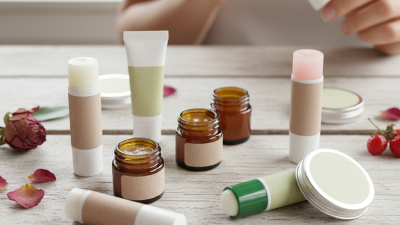
Stick Packaging Usability Provides convenient, low-mess application and helps users reapply protective ingredients regularly. Commuting, travel, outdoor use, and frequent daytime application. A smooth stick that applies without tugging and has a secure cap. Twist up only a small amount to reduce breakage and contamination. Do not share the stick; replace it if the product changes smell, color, or texture.

Practical selection rule: For severely dry lips, prioritize a bland, fragrance-free stick containing an occlusive such as petrolatum, optionally supported by emollients or ceramides. For outdoor use, choose broad-spectrum SPF 30 or higher and reapply regularly.

How to Match a Lip Balm Stick to Your Specific Needs

How to Choose the Best Chapped Lips Stick?

How to Match a Lip Balm Stick to Your Specific Needs

Choosing a lip balm stick should begin with your daily environment, not attractive packaging. Dry indoor air often needs a simple barrier formula. Look for petrolatum, mineral oil, or ceramides to reduce moisture loss. For sensitive lips, fragrance-free and flavor-free formulas are safer starting points. A 2024 Grand View Research estimate valued the global lip care market at about US$4.5 billion in 2023. That growth reflects varied consumer needs, not one perfect formula.

Outdoor exposure changes the choice. The American Academy of Dermatology recommends broad-spectrum SPF 30 or higher for exposed lips. Select a water-resistant stick for hiking, commuting, or beach activities. Reapply after eating, drinking, or sweating. If your lips feel burning after application, stop using the product. Cooling sensations can feel helpful, but they may hide irritation. I still sometimes mistake a strong sensation for better relief. That assumption deserves reconsideration. Persistent cracking, bleeding, or scaling needs professional medical advice.

Tips: Check the ingredient list before buying. Test a small area first. Avoid licking your lips, since saliva increases dryness. Choose a firm stick for clean application and a softer one for overnight use. Keep it away from direct heat, where the formula may melt and become uneven. A practical match is usually plain, comfortable, and easy to reapply.

Safety, Skin Sensitivity, and Product Quality Considerations

Choosing the best chapped lips stick requires more than a pleasant scent. The American Academy of Dermatology Association recommends fragrance-free, hypoallergenic formulas for irritated lips. It also advises avoiding menthol, camphor, phenol, and salicylic acid. These ingredients may create a cooling feeling, yet they can increase dryness. I once preferred that quick “tingle.” It was not always comfort.

Skin sensitivity deserves careful attention. The National Eczema Association identifies fragrance as a frequent trigger for sensitive skin. Check the ingredient list before buying, especially after repeated cracking or redness. Look for petrolatum, mineral oil, ceramides, or dimethicone. These ingredients help reduce water loss from the lip surface. The U.S. Food and Drug Administration’s cosmetics guidance also stresses truthful labeling and proper adverse-reaction reporting. However, “natural” does not automatically mean safer. That assumption needs challenging.

Tips: Apply a plain protective stick after washing your face and before sleep. Do not share it. Stop using the product if burning, swelling, or persistent redness appears. Choose packaging that stays clean and closes tightly. The 2023 Global Cosmetic Industry Overview reported continued consumer growth in sensitive-skin products, but quality still varies between formulas. Check batch details, sealed packaging, and storage instructions. A higher price may reflect packaging, not better skin protection. When symptoms last beyond two weeks, consult a qualified healthcare professional rather than repeatedly changing products.

How to Apply, Store, and Evaluate Its Effectiveness

Choosing a chapped lips stick starts with its formula, not its fragrance. I look for occlusive ingredients such as petrolatum, beeswax, or plant butters. Ceramides may support the skin barrier, while added fragrance can bother sensitive lips. A smooth stick should glide without tugging. It should not sting.

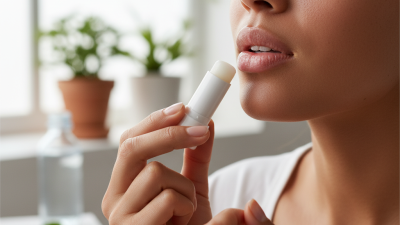
Apply it to clean, dry lips, then cover the corners and the border. Use a thin layer after eating, drinking, or washing your face. Apply again before bed. Avoid licking your lips, because saliva evaporates and increases dryness. For daytime outdoor use, choose a lip product with broad-spectrum SPF 30 or higher. I learned this after overlooking sun exposure during a winter hike.

Store the stick capped, away from heat, moisture, and direct sunlight. Do not share it. Wipe the surface if it touches dust or dirty hands. I once left one in a hot car, and it softened, separated, and became difficult to apply. That was my mistake. To evaluate effectiveness, photograph your lips on day one, then check them after seven to fourteen days. Look for less flaking, fewer cracks, and comfortable movement. Stop using it if burning, swelling, or a rash appears. Persistent bleeding or pain deserves advice from a qualified healthcare professional.

How to Choose the Best Chapped Lips Stick

Compare the practical factors that matter when selecting, applying, storing, and evaluating a lip balm stick. The percentages below are an editorial decision-making framework, not clinical measurements or brand performance data.

How to Use This Framework

Prioritize products that create a protective barrier, avoid ingredients that have previously irritated your lips, and choose fragrance-free options when sensitivity is a concern. Apply a thin, even layer whenever lips feel dry, avoid sharing the stick, keep it capped, and store it away from excessive heat and direct sunlight.

Evaluate effectiveness by checking whether dryness, tightness, flaking, and discomfort improve consistently over several days. Stop using the product if burning, swelling, rash, or worsening irritation occurs.