Top 10 Chapped Lips Stick Suppliers for Global Buyers
Global buyers need more than a polished catalogue when selecting a Chapped Lips Stick supplier. They need evidence, consistency, and practical communication. A supplier may show attractive packaging, yet provide weak documentation or unclear production details. That gap matters.
Cosmetic chemist Perry Romanowski offers a useful formulation principle: “Good ingredients still need good formulation.” This idea fits every serious supplier review. A reliable Chapped Lips Stick manufacturer should explain its waxes, oils, emollients, flavor systems, and active ingredients clearly. Buyers should also request the INCI list, certificate of analysis, stability data, microbiological test results, and packaging specifications. Small details matter. A twisted tube should move smoothly. The balm should not melt too quickly in warm logistics environments. The cap should close firmly after repeated use.
This Top 10 Chapped Lips Stick Suppliers list examines more than price. It considers manufacturing experience, private-label capability, minimum order quantities, quality systems, export support, and response speed. Suppliers with ISO, GMP, or relevant third-party certifications may offer stronger process control, but certificates alone cannot prove every shipment’s quality. Buyers still need samples and independent checks.
No ranking is perfect. Market conditions change. Formulas improve or fail. Communication can also become difficult across time zones. For that reason, this guide combines supplier research with practical buyer judgment. The strongest partner is not always the largest factory. It is often the one that delivers consistent batches, accurate documents, and honest answers when problems appear.
Chapped Lips Stick Products: Types, Uses, and Key Features
Chapped Lips Stick Products: Types, Uses, and Key Features
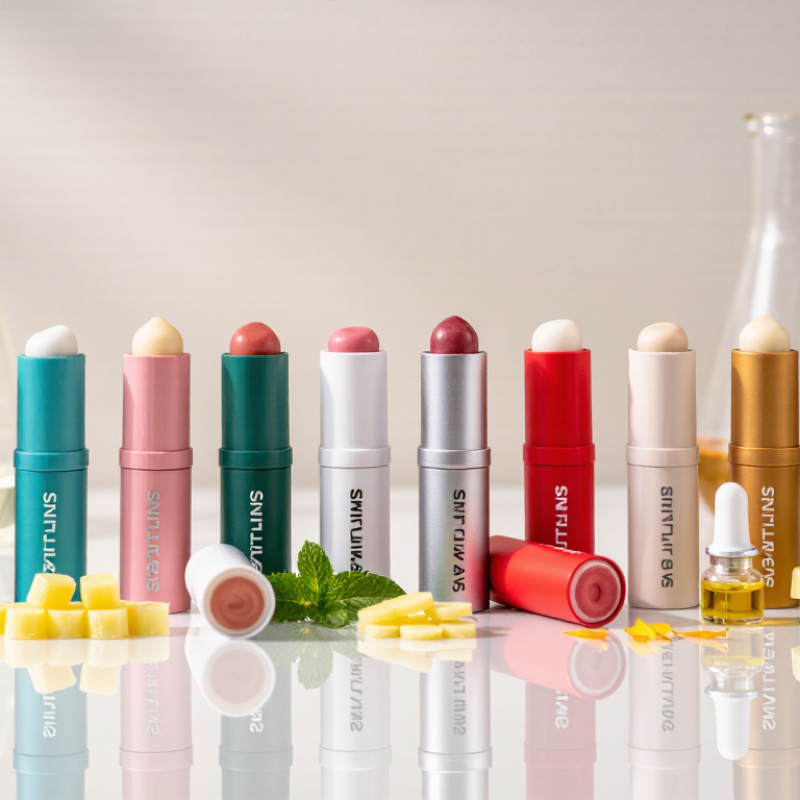
Chapped lips sticks are compact products designed to reduce dryness and protect the delicate lip surface. Common types include wax-based balms, oil-rich sticks, tinted formulas, and sun-protection versions.
Wax-based products create a light barrier against wind and dry air. Oil-rich formulas feel softer and spread more easily. Tinted options add color, but they may not suit every user.
Global buyers should examine the ingredient list, texture, and intended market before placing orders. Beeswax, plant waxes, mineral oils, and botanical oils can support different product textures.
Humectants may attract moisture, while occlusive ingredients help slow water loss. Fragrance-free formulas are often preferred for sensitive users. Some products include ultraviolet protection, but buyers should verify documented testing and local labeling requirements.
Packaging also affects product performance. A tight cap helps prevent contamination and drying during transport. Twist-up mechanisms should move smoothly without breaking the stick.
Buyers can request stability records, batch information, sample testing, and storage guidance from suppliers. Real use matters. A balm may feel pleasant at room temperature but become soft in a hot warehouse. That detail is easy to miss.
Claims should remain accurate and modest, especially for products used by children or people with sensitive skin. No formula suits everyone. Careful sampling still leaves room for surprises.
Global Standards for Evaluating Chapped Lips Stick Suppliers
Top 10 Chapped Lips Stick Suppliers for Global Buyers
Global Standards for Evaluating Chapped Lips Stick Suppliers
Choosing among the top ten chapped lips stick suppliers requires more than checking price. Buyers should examine ingredient records, production controls, and evidence from real shipments. A reliable supplier provides a complete INCI list, batch numbers, certificates of analysis, and stability data. GMP-based production and ISO 22716 practices also show stronger process discipline. However, certificates alone are not enough. Visit the facility when possible, or request a recent third-party audit report.
Product quality must remain consistent across different batches. Ask for samples made with the proposed formula, packaging, and filling process. Check texture, melting behavior, odor, label accuracy, and performance after temperature changes. Suppliers should explain preservative choices and allergen controls clearly. They should also support destination-market requirements, including language rules, claims evidence, and import documents. A supplier that promises “instant repair” without testing deserves careful review.
Tips:
Request three production samples, not one. Compare batch records and test results. Confirm minimum order quantities before negotiations. Review complaint-handling procedures, response times, and traceability records. Ask how damaged goods are investigated. My own evaluation would not rely only on polished factory photos; that approach can miss weak controls. A smaller supplier may offer better communication, but limited capacity can create delays. This trade-off should be recorded, discussed, and checked against your launch schedule.
Top Chapped Lips Stick Suppliers for International Buyers
Top Chapped Lips Stick Suppliers for International Buyers
International buyers need more than attractive packaging when choosing chapped lips stick suppliers. Reliable suppliers should provide clear ingredient lists, batch records, safety documents, and consistent production quality. Their formulas may include beeswax, plant oils, shea butter, or approved moisturizing agents. Buyers should confirm whether each ingredient meets the destination market’s cosmetic requirements.
Production experience matters. Ask suppliers about minimum order quantities, sample policies, filling accuracy, and lead times. A factory with documented quality controls can reduce problems such as cracked sticks, uneven texture, or leaking tubes. Packaging should also survive long-distance shipping and changing temperatures. No supplier is perfect. I would test samples for several weeks before placing a large order.
Tips:
Request recent test reports and manufacturing certificates. Check the full ingredient declaration carefully. Compare three suppliers using the same questions. Ask how they handle delayed shipments, damaged goods, and formula changes. A video factory tour can reveal storage conditions and production details. Keep written records of every specification. Small omissions often become expensive later.
Supplier Comparison: Quality, Pricing, Capacity, and Customization
Comparing the top ten chapped lips stick suppliers requires more than a low unit price. Grand View Research valued the global lip care products market at approximately USD 4.5 billion in 2023. Its forecast shows continued growth through 2030, increasing pressure on supply consistency. Buyers should request ingredient specifications, stability results, microbiological testing, and batch-specific certificates. A smooth stick is not enough. Check melting point, glide, fragrance tolerance, and packaging fit under warm shipping conditions. ISO 22716-aligned records can strengthen credibility, although certification does not guarantee every batch.
Pricing should include molds, artwork, testing, freight, and minimum order quantities. A quote of USD 0.18 per stick may become expensive after custom packaging and inspection. Capacity comparisons need evidence, including monthly output, filling lines, backup equipment, and realistic lead times. Customization may cover color, flavor, scent, shape, carton material, and active ingredients. Mintel’s 2024 beauty and personal care research highlights continued demand for convenient and multifunctional formats. However, customization can reduce production flexibility. This is often underestimated. Claims and formulas also require review for each destination market.
Tips: Use a weighted supplier scorecard. Consider quality at 35%, landed cost at 25%, capacity at 20%, and customization at 20%. Request three pilot batches when possible. Test weight loss after 40°C storage, then inspect surface cracking and label adhesion. No scorecard is perfect. Document every exception.
Top 10 Chapped Lips Stick Suppliers for Global Buyers - Supplier Comparison: Quality, Pricing, Capacity, and Customization
Indicative B2B market ranges for standard 4–5 g lip balm sticks. Final prices, capacities, certifications, and lead times should be confirmed directly with each supplier.
| Rank |
Supplier Profile |
Quality Level |
Indicative FOB Price
per Stick (USD) |
Estimated Monthly
Capacity |
Typical MOQ |
Customization
Capability |
Typical Lead Time |
Common Compliance Documentation |
| 1 |
High-Capacity GMP Manufacturer |
Premium |
$0.18–$0.32 |
1–3 million units |
20,000 units |
Very high |
30–45 days |
GMP, ISO 22716, COA, MSDS, stability and microbiological reports |
| 2 |
Natural and Organic Formula Specialist |
Premium |
$0.24–$0.42 |
300,000–800,000 units |
10,000 units |
High |
35–50 days |
COSMOS or equivalent ingredient records, GMP, ISO 22716, allergen statement |
| 3 |
Mass-Market Private-Label Producer |
Standard+ |
$0.10–$0.19 |
2–5 million units |
30,000 units |
Medium |
25–40 days |
GMP, ISO 9001 or ISO 22716, COA, MSDS, basic product testing |
| 4 |
Dermatology-Focused Formulator |
Premium |
$0.28–$0.48 |
150,000–500,000 units |
5,000 units |
Very high |
40–60 days |
GMP, ISO 22716, safety assessment, stability testing, dermatological test options |
| 5 |
Flexible Small-Batch OEM Supplier |
Standard+ |
$0.22–$0.40 |
100,000–350,000 units |
3,000 units |
Very high |
30–55 days |
GMP, COA, MSDS, microbial testing, packaging and artwork review |
| 6 |
Vegan and Plant-Based Product Manufacturer |
Standard+ |
$0.20–$0.36 |
250,000–700,000 units |
10,000 units |
High |
35–50 days |
Vegan declaration, GMP, ISO 22716, ingredient traceability, COA |
| 7 |
Color Cosmetics and Tinted Balm Producer |
Standard+ |
$0.16–$0.30 |
400,000–1 million units |
15,000 units |
High |
30–45 days |
GMP, colorant compliance records, COA, MSDS, shade and stability testing |
| 8 |
Economical Export-Oriented Supplier |
Commercial |
$0.07–$0.15 |
1–4 million units |
30,000 units |
Low to medium |
25–40 days |
COA, MSDS, basic GMP documentation, export packaging specifications |
| 9 |
Sustainable Packaging and Refillable Stick Supplier |
Standard+ |
$0.30–$0.65 |
80,000–300,000 units |
5,000 units |
Very high |
45–70 days |
Material declarations, recycled-content records, GMP, COA, packaging test reports |
| 10 |
Fast-Turnaround Stock Formula Supplier |
Commercial |
$0.09–$0.18 |
500,000–1.5 million units |
5,000 units |
Medium |
15–30 days |
GMP, COA, MSDS, batch coding, standard packaging and product specifications |
Import, Packaging, and Partnership Considerations for Global Buyers
Global buyers should evaluate chapped lips stick suppliers beyond unit price. A reliable supplier should provide ingredient specifications, safety documents, batch records, and production details. Ask how often raw materials are tested. Request samples from different production lots, not only one attractive sample. Small differences matter.
Packaging affects both protection and sales performance. Choose tubes that resist cracking, leakage, and heat deformation during ocean transport. Confirm fill weight, label durability, carton strength, and barcode accuracy before placing a large order. Moisture-sensitive formulas may need sealed inner bags or controlled storage. Packaging tests should include vibration, compression, and temperature exposure. It looks simple. It is not.
Import planning requires accurate product descriptions, tariff classification, shipping terms, and destination-market labeling checks. Buyers should confirm minimum order quantities, lead times, payment stages, and replacement policies in writing. A capable partner will explain production limits instead of promising everything. During one early sourcing project, our demand forecast was too optimistic, leaving excess cartons in storage. That mistake changed our approach: smaller trial orders, clearer sales data, and scheduled supplier reviews now guide purchasing. Communication should include approved artwork, formula changes, inspection standards, and photographs from packed cartons. A supplier may be experienced, yet still miss a detail without documented approval.
Top 10 Chapped Lips Stick Suppliers for Global Buyers
Import, packaging, and partnership considerations for global buyers
This non-company-specific benchmark compares the purchasing factors commonly used when evaluating chapped lips stick suppliers. Scores use a five-point buyer assessment scale, where higher values indicate stronger suitability for international sourcing, packaging flexibility, compliance support, and long-term cooperation.