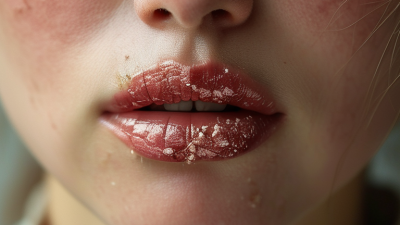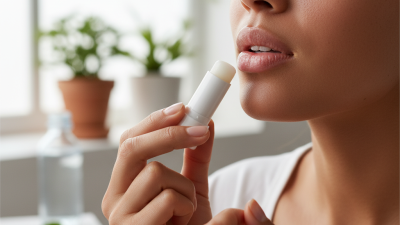
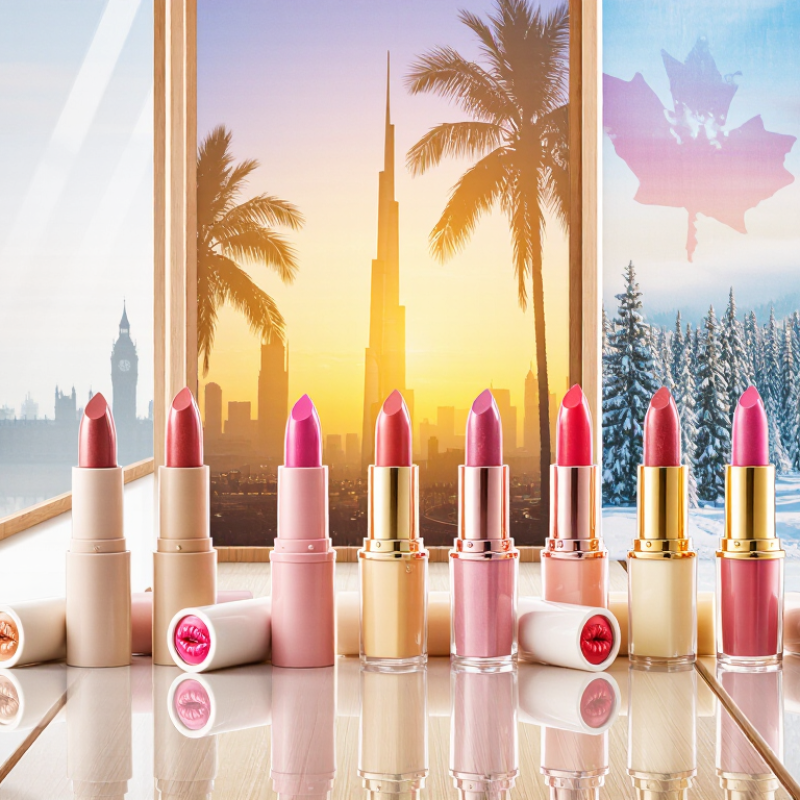
Dry, cracked lips can turn a small daily discomfort into a serious buying concern. For global buyers, choosing a Chapped Lips Stick requires more than attractive packaging. Climate, ingredient quality, shelf stability, texture, and regional labeling standards all matter. A balm that feels comfortable in London may melt quickly in Dubai or feel too light in northern Canada. Small details matter.
Dr. Joshua Zeichner, a board-certified dermatologist, has said, “The best lip balm is the one you will actually use.” This practical view shapes our selection. A useful Chapped Lips Stick should apply evenly, reduce uncomfortable dryness, and avoid a heavy or waxy finish. Ingredients such as petrolatum, shea butter, ceramides, and plant oils may support a protective barrier. However, natural does not always mean better. Fragrance and essential oils can irritate sensitive lips, even when the label looks appealing.
This guide compares ten products for international purchasing decisions. We examine ingredient transparency, portability, climate performance, application comfort, and value. We also consider twist-up tubes, sealed packaging, and clear batch information. These features help buyers assess quality before ordering across borders.
No product suits everyone. That is worth admitting. Personal sensitivity, humidity, and usage habits can change the result. Patch testing remains sensible. Buyers should also verify local cosmetic requirements before importing or distributing products. Our recommendations aim to be useful, not absolute. The perfect stick may not exist, but a reliable one can make winter mornings, long flights, and dry office air much easier.
Chapped lips often reflect a weakened moisture barrier, not simply a need for more balm. Lip skin is thin and has few oil-producing glands, so cold air, wind, dry indoor heat, and repeated licking can leave it rough or cracked. Licking feels soothing briefly. Then saliva evaporates and may worsen dryness. The American Academy of Dermatology recommends a lip product with broad-spectrum SPF 30 or higher outdoors, with reapplication every two hours. That practical benchmark matters because lips receive UV exposure too.
A stick is convenient for travel, but the format alone does not guarantee comfort. Check the ingredient list: fragrance, mint, and some cooling agents may irritate sensitive or split lips. Plain occlusive ingredients, such as petrolatum, can help seal in moisture. If a product stings, stop using it rather than assuming the sensation means it is working. Persistent cracking at the corners, bleeding, or symptoms that do not improve deserve professional advice; not every sore lip is ordinary chapping.
Tips: Apply balm before going outside and after eating or drinking. Keep a stick in a coat pocket, not a hot car. Avoid picking flakes. A small habit, but easy to forget. The AAD’s sun-protection guidance is useful, though it cannot identify the cause of every person’s dryness. That distinction matters.
The chart presents an evidence-informed buying framework for comparing lip balm sticks. Higher scores indicate stronger practical value for dry, cracked, or environmentally stressed lips; the scores are editorial criteria rather than clinical product rankings.
How to read it: Occlusive protection, fragrance-free formulas, and UV protection are especially useful considerations for global buyers facing cold weather, dry air, wind, or intense sunlight. Buyers should also check ingredient lists and local regulatory requirements.
Evaluating a lip balm stick starts with the skin, not the packaging. For very dry lips, look for occlusive ingredients such as petrolatum, plant waxes, or shea butter. These ingredients help reduce moisture loss. A smooth, non-dragging texture matters in cold weather. Hard sticks can pull across cracked skin and feel uncomfortable.
Sensitive lips need a shorter ingredient list. Fragrance, flavor oils, and cooling agents may cause stinging or redness. Choose a fragrance-free formula and check the full ingredient label carefully. If you have known allergies, compare ingredients with products you already tolerate. Patch testing can help, although lips may react differently. Stop using the stick if burning continues. Persistent cracking deserves professional medical advice.
Climate also changes the buying decision. In hot regions, a balm should stay stable in a bag or pocket. In dry, windy areas, stronger occlusion may feel more protective. Buyers should check storage guidance, expiration information, and local labeling requirements. I once preferred a glossy balm because it felt nourishing, but it transferred onto cups and needed frequent reapplication. That experience changed my evaluation. Comfort, hygiene, and realistic use matter more than a rich first impression. Look for a clean applicator design, secure cap, and packaging that resists melting. Claims such as “natural” or “repairing” should not replace ingredient evidence.
The 10 Best Chapped Lips Sticks for Global Buyers
A useful lip stick should match the weather, your routine, and the way its texture feels. These ten options describe practical product types, not brand rankings. A fragrance-free balm with petrolatum suits very dry lips and windy commutes. A simple beeswax-and-oil stick offers a firmer feel in a pocket. For vegan shoppers, a plant-wax formula can provide similar glide, though textures vary.
A broad-spectrum SPF lip stick is worth considering for outdoor days; check its labeled protection and reapply as directed. A lanolin-based option may feel comforting, but lanolin does not suit everyone. A ceramide-containing balm is another choice for a pared-back routine. For humid climates, a lighter, less waxy stick may feel more comfortable. In cold weather, a thicker formula can be easier to keep on overnight. Unscented matters. Mint and citrus flavors can bother sensitive lips, even when they smell fresh.
For travel, choose a twist-up tube with a secure cap and clear ingredient labeling. A compact stick fits small bags, while a larger format may last longer at home. Compare ingredient lists across markets, since formulations and labeling can differ by country. My shortlist leans toward straightforward textures and easy reapplication; that is not everyone’s idea of the best. Try a small amount first, especially if your lips react easily. Lip licking can worsen dryness. A little inconvenient, but true.
A useful lip stick starts with the weather it must face. Cold air, indoor heating, and wind can leave lips feeling tight, so a wax- or petrolatum-based formula may help reduce moisture loss. In hot, humid regions, a lighter texture may feel more comfortable. Still, no formula suits everyone. That matters.
Ingredient labels deserve a close look. Fragrance, flavoring, and some cooling agents can bother sensitive lips, while simple formulas may be easier to assess. Shea butter and plant oils can soften dry skin, but they may not protect as long as heavier occlusive ingredients. Reapply after eating or drinking, and stop using a product if irritation develops. I would not treat “natural” as a guarantee of gentleness; that label can mean different things.
Rules also vary by destination. A stick marketed with sun-protection claims may face different ingredient, testing, labeling, or registration requirements than an ordinary cosmetic. Buyers should check the current requirements in each sales market and request clear ingredient lists, batch details, and supporting product documents from suppliers. Packaging matters, too: a cap that loosens in transit can leave the stick exposed to heat and dust. Small detail, real consequence. A label can look complete and still need local review.
Apply a thin, even layer to clean lips, especially before heading outdoors or entering dry, heated rooms. Reapply after eating, drinking, or wiping your mouth. Avoid rubbing the stick directly over cracked or bleeding areas; gentle application causes less friction. If the product stings or causes a rash, stop using it. Persistent cracking deserves advice from a qualified health professional.
Store the stick with its cap secured, away from direct sunlight, radiators, and hot cars. Heat can soften the formula and make application messy. Cold conditions may make some sticks feel harder. Keep the tube clean, and do not share it. Small habits matter.
When comparing options, check the ingredient list, scent, texture, and packaging. Fragrance-free formulas may suit people sensitive to scent, though individual reactions vary. A smooth glide feels pleasant, but a very soft stick may melt in warm climates. For sunny destinations, compare the stated sun-protection information and follow its directions; lip balm is not a reason to ignore shade. I can still forget to reapply after lunch, so a tube in a bag helps. Test a new formula cautiously, and consider how easily its cap stays closed during travel.
| No. | Stick Type | Typical Ingredients or Features | May Suit | How to Use | Storage and Comparison Tips |
|---|---|---|---|---|---|
| 1 | Plain occlusive balm | Often based on petrolatum or another occlusive ingredient; usually has a simple formula. | People seeking a basic protective layer for dry lips. | Apply a thin, even layer whenever lips feel dry, including before bed. | Compare the ingredient list and texture. Keep the cap on and store away from excessive heat. |
| 2 | Wax-and-oil protective stick | Commonly combines waxes with plant oils or other emollients to make a firm stick. | People who prefer a portable balm with a less ointment-like feel. | Glide gently over clean lips; avoid pressing hard if the stick is cold or firm. | Check whether the oils or waxes suit your preferences. Keep it capped and out of direct sunlight. |
| 3 | Fragrance-free, simple-formula stick | Made without added fragrance; formulas vary, so check the full ingredient list. | People who prefer to avoid fragrance in lip products. | Apply as needed. Stop using it if irritation develops. | “Fragrance-free” does not mean allergy-proof. Compare labels for other ingredients you know you need to avoid. |
| 4 | Humectant-and-emollient stick | May include a humectant, such as glycerin, alongside ingredients that soften or help protect the lips. | People looking for a combination of moisture-supporting and softening ingredients. | Apply to the lips and reapply when the product wears off or dryness returns. | Formulas differ in feel and performance. Keep the cap closed to reduce contamination and product exposure. |
| 5 | Lanolin-containing stick | Contains lanolin, an ingredient used in some skin-protective products. | People who already know they tolerate lanolin and want a richer-feeling balm. | Apply a small amount first and use as directed on the product label. | Avoid if you have a known sensitivity to lanolin. Compare ingredient lists rather than relying on product claims alone. |
| 6 | Shea-butter or plant-butter stick | May contain shea butter or other plant-derived butters, often combined with oils and waxes. | People who prefer a balm with a creamy or emollient feel. | Apply a light layer and reapply as needed. | Plant-derived ingredients can still cause sensitivity in some people. Store away from heat, which can soften the stick. |
| 7 | SPF lip-protection stick | Contains labeled sun-protection ingredients; SPF level and water-resistance claims vary by product and market. | Outdoor use when lips are exposed to sunlight. | Apply according to the label. Reapply as directed, especially after eating, drinking, swimming, or wiping the lips. | Compare the labeled SPF and any water-resistance directions. Check the expiry date and follow local labeling guidance. |
| 8 | Mineral-filter SPF stick | Uses a mineral sunscreen active, such as zinc oxide, where permitted and listed on the product label. | People who specifically prefer a mineral sunscreen active for lip sun protection. | Apply evenly and follow the product’s directions for amount and reapplication. | Texture and visible residue can vary. Check local regulations, the active-ingredient panel, and the labeled SPF. |
| 9 | Unscented tinted stick | Adds color with cosmetic pigments; some versions are unscented, but formulas vary. | People who want light color together with a balm-like product. | Apply evenly; use a separate labeled SPF lip product if sun protection is needed and the tint has no SPF claim. | Check the ingredient list and shade details. Do not assume a tinted balm provides sun protection unless its label says so. |
| 10 | Twist-up travel stick | A compact stick format; its protective ingredients depend on the individual formula. | People who want a convenient product for a bag, pocket, or travel kit. | Apply with clean hands or directly from the stick, without sharing it with others. | Compare the formula, package size, and local travel restrictions. Keep it capped and avoid leaving it in a hot car. |
| General guidance: Ingredient lists, labeling rules, and product performance vary by country and formulation. Follow the product label, keep sticks clean and capped, and discontinue use if irritation occurs. Persistent, severe, or recurring lip problems should be discussed with a qualified healthcare professional. | |||||