Leave Your Message

How to Source Lip and Cheek Sticks in 2026?

Sourcing a Lip And Cheek Stick in 2026 takes more than choosing attractive shades and a smooth sample. Buyers must assess formula consistency, packaging performance, supplier communication, and realistic production costs. A creamy stick may glide beautifully on a studio swatch, then drag across dry skin or soften in warm transit. Small tests reveal big gaps.

Cosmetic chemist and educator Perry Romanowski is a useful evidence-focused reference. The line below is an editorial paraphrase, not a verbatim quotation: “Treat a supplier’s claims as a starting point; let testing guide the decision.” That mindset matters when reviewing ingredient specifications, sample batches, stability data, and compatibility between formula and packaging. Ask how shades are controlled between batches. Check whether the cap stays secure after repeated use. Get clear answers about minimum order quantities and lead times.

Details matter.

This guide will explain how to compare manufacturers, assess samples, and build a sourcing brief that teams can actually use. It will also examine trade-offs between finish, pigment payoff, packaging, and target cost. A neat sample kit can still create false confidence. I have seen buyers focus on color and overlook how a stick behaves after hours in a handbag. That is an easy miss. There is no perfect spreadsheet, either; supplier records can be incomplete, so verify important claims and document open questions. The goal is not to find a flawless factory. It is to make careful choices, spot risks early, and source a Lip And Cheek Stick that performs consistently for its intended users.
How to Source Lip and Cheek Sticks in 2026?

Define Lip and Cheek Stick Requirements for Your Target Market

Define the job before choosing a formula. Will the stick serve cheeks, lips, or both? Specify finish, payoff, blend time, fragrance, and wear expectations for each use. A sheer balm may suit quick touch-ups, while a highly pigmented cream can demand more precise blending. Grand View Research estimated the global color cosmetics market at about USD 77.6 billion in 2023, with projected growth through 2030. That broad forecast signals opportunity, not guaranteed demand for any one format. Test assumptions with shoppers in the intended market.

Shade selection needs evidence. Build a range around local undertones and skin-depth distribution, then assess swatches in daylight and indoor lighting. Check whether the color shifts after blending. For a dual-use stick, test it on both lips and cheeks; performance can differ noticeably between the two areas. Keep notes on drag, tack, transfer, and how the product wears after several hours. Small panels are useful, but they can mislead.

Set practical specifications before requesting samples: stick diameter, net weight, cap fit, application feel, and packaging performance in warm or cold conditions. Circana reported that U.S. prestige beauty sales grew 7% in 2023, with makeup among the growing categories. This is useful market context, not proof that a particular product will sell. It is easy to overvalue a striking shade and overlook a weak cap or awkward payoff. Confirm ingredient, labeling, and claim requirements for each destination market with qualified regulatory specialists.
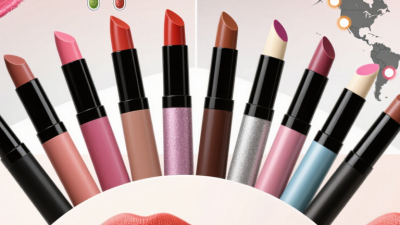
Identify and Compare Qualified Cosmetic Manufacturers

When sourcing lip and cheek sticks in 2026, compare manufacturers on formula control, testing, and production consistency—not just sample color. Cosmetics Europe’s 2024 market report valued European cosmetics and personal-care retail sales at €96 billion in 2023. McKinsey’s 2023 State of Beauty report projected a global beauty market of about $580 billion by 2027. These figures describe broad markets, not lip-and-cheek sticks specifically. Still, they point to a crowded category where reliable execution matters. Look for documented batch records, ingredient traceability, and quality systems such as ISO 22716. Ask how the factory checks stick hardness, color consistency, payoff, and wear after repeated opening. Details matter.

Compare samples under daylight and indoor lighting. Check whether the stick drags, breaks, or leaves uneven color on both lips and cheeks. Request stability and compatibility results for the exact formula and packaging; a good sample alone proves little. Ask for the proposed minimum order, lead time, customization limits, and the party responsible for testing. Verify claims through records or an independent audit where practical. No checklist is perfect. I would also ask what failed in an earlier production run and how the team corrected it. Some answers may be uncomfortable, but vague assurances are a warning sign.

How to Source Lip and Cheek Sticks in 2026

Compare qualified cosmetic manufacturers using a consistent supplier-screening scorecard.

Example buyer-assigned scores on a 1–5 scale—not industry statistics or ratings of specific companies. Verify each criterion through audits, test reports, technical documents, and written quotations. For cosmetics, ISO 22716 is the internationally recognized GMP guideline; confirm the applicable regulatory requirements for each target market.

Verify Formula Safety, Ingredient Compliance, and Certifications

When sourcing lip and cheek sticks in 2026, request the full ingredient list before reviewing samples. Check that each ingredient is permitted for the product type and intended sales markets. Requirements can differ, so ask suppliers for market-specific documentation rather than relying on a generic compliance statement. Small details matter. Color additives, fragrance allergens, and ingredient names deserve careful review.

Ask for specifications, batch certificates of analysis, and relevant safety assessments. For the finished formula, request stability and packaging-compatibility data. A stick can soften in a warm delivery box or develop an uneven surface after repeated use. Check microbiological test results, too, and confirm which laboratory performed the testing. Paperwork matters. Verify that any claimed certification applies to the actual factory, product scope, and current production period. A certificate alone does not establish that every formula requirement has been met.

I would also compare the approved sample with the final production batch. Ask how changes to suppliers or ingredients are documented, and who must approve them. A tidy dossier can still miss a meaningful formula change; that is an easy gap to overlook during a busy launch. Keep dated records of reviews, test reports, and sample approvals. If evidence is incomplete, pause and ask for clarification before placing a larger order.

Evaluate Samples, Packaging, and Production Capabilities

How to Source Lip and Cheek Sticks in 2026?

Evaluate Samples, Packaging, and Production Capabilities

A promising lip and cheek stick should feel consistent across both uses. Test it on clean lips and cheeks, then check color payoff in daylight and indoor lighting. Notice whether it drags, skips, or turns patchy over sunscreen. Try a second layer after several minutes. Small differences matter. Record shade, glide, scent, and wear time for each sample. Keep one sample untouched as a comparison reference; memory is unreliable.

Packaging deserves hands-on checks. Twist the mechanism repeatedly and listen for grinding or looseness. Leave the cap in a warm bag, then inspect for residue or accidental opening. Check that the stick retracts fully and that the label remains readable on the curved tube. Ask for material specifications and compatibility testing details. A sample can look polished, yet its cap may loosen after regular use. That part is easy to miss.

Before placing an order, review the supplier’s production controls. Ask how batches are checked for weight, fill level, shade variation, and twist-up function. Request a production timeline, minimum order quantity, and clear steps for handling defects. If possible, review a pilot run before approving full production. Dates can shift. I would not treat a confident sales estimate as a confirmed schedule until materials and capacity are checked. Keep written sample approvals and agreed specifications; they make later comparisons more objective.

Negotiate Terms and Manage Quality from Order to Delivery

Sourcing lip and cheek sticks in 2026 starts with a precise brief, not simply the lowest quotation. Define the formula type, shade range, finish, packaging material, and target order volume. Ask suppliers to separate unit price, tooling, sampling, and freight charges. Agree on minimum order quantities, sample approval deadlines, production lead time, and payment milestones in writing. Small details matter. Specify how defects, late delivery, and approved changes will be handled before placing the order.

Test samples under realistic conditions. Check how the stick applies, whether the cap stays secure, and how the color looks in daylight and indoor lighting. Keep a signed reference sample and document its shade, weight, dimensions, and packaging. During production, request inspection records and clear photos of batches at agreed checkpoints. If a sample feels slightly waxier than expected, pause and clarify the acceptable range; vague approval can become an expensive argument.

Before shipment, confirm carton counts, labels, packing protection, and the agreed delivery terms. Ask for a final inspection report and shipping documents before releasing the remaining payment, where the contract allows. Build time into the schedule for rework or transport delays. Keep records. A missed check is frustrating, and even a well-managed process cannot remove every surprise. Review what changed between the approved sample and delivered goods, then adjust the next purchase specification.

How to Source Lip and Cheek Sticks in 2026? - Negotiate Terms and Manage Quality from Order to Delivery

Practical sourcing checklist and planning benchmarks. Lead times, minimum order quantities, and commercial terms vary by supplier, formula, packaging, and destination market; confirm them in writing before placing an order.

Sourcing stage Dimension to agree Practical planning range or requirement Negotiation and quality-control action
Product brief Formula, finish, and use Define whether the stick is for lips, cheeks, or both; specify finish, coverage, fragrance preference, and target markets. Request a written specification covering ingredient list, shade standard, net weight, intended use, and required claims. Do not rely on a verbal description alone.
Supplier screening Manufacturing capability and documentation Check experience with anhydrous color cosmetics, stick filling, shade matching, and the intended sales markets. Review facility quality procedures, ingredient traceability, batch records, change-control process, and relevant safety or compliance documents.
Sampling Lab samples and approval rounds Allow several weeks for initial formulation and shade iterations; timing depends on the brief, raw-material availability, and sample workload. Approve and retain signed reference samples. Record shade, texture, payoff, glide, scent, and package fit; define who pays for additional revisions.
Commercial terms MOQ, unit price, and payment schedule Request quotes at multiple order quantities. MOQs can differ for formula, shade, component, and printed packaging. Compare total landed cost, including tooling, testing, decoration, cartons, freight, and duties. Negotiate milestone-based payments and document any deposits and balance triggers.
Packaging Component compatibility and decoration Confirm stick dimensions, fill weight, cap fit, twist mechanism, material, color, and print or label requirements. Test the filled product in the final component. Check for leakage, breakage, mechanism failure, rubbing, and formula-package interaction before mass production.
Pre-production Production sample and approved specifications Complete final formula, shade, artwork, packaging, and label review before authorizing the production run. Use a signed approval sample and a controlled specification. Require written approval for any formula, component, supplier, or process change.
Production and inspection Batch consistency and acceptance criteria Set inspection timing and sampling method in the purchase agreement; allow time for any rework or replacement. Define measurable checks for shade, fill weight, appearance, closure, labeling, carton condition, and agreed functional tests. Keep batch and inspection records.
Compliance and claims Destination-market requirements Requirements depend on where the product is sold and the claims made. Cosmetics rules and labeling obligations differ by market. Assign responsibility for safety substantiation, ingredient and label review, product notifications or listings where applicable, and claims support. Have qualified regulatory counsel review market-specific obligations.
Shipment and delivery Incoterms, schedule, and shipping documents Build in production, inspection, transit, customs clearance, and receiving time; transport duration varies by route and mode. Name the agreed Incoterms® rule and place, shipment window, carton specifications, insurance responsibility, and required documents. Track delivery against the purchase order.
Post-delivery Claims, retention samples, and corrective action Agree the inspection and claim-notification period before ordering; retain representative samples from each batch. Set procedures for nonconforming goods, evidence submission, investigation, replacement or credit, and corrective-action deadlines.

Planning note: Treat all timing and commercial figures supplied during quotation as provisional until confirmed in the purchase order, approved specification, and production schedule.