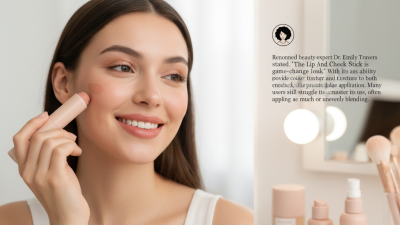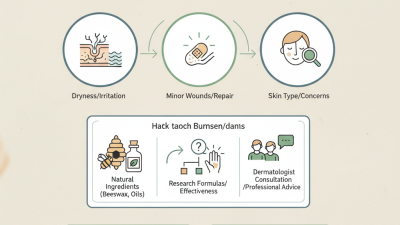
China Top Lip And Cheek Stick Manufacturers? This guide examines reliable Chinese suppliers for modern color cosmetics, not merely the cheapest factories. A dependable Lip And Cheek Stick manufacturer should combine formulation knowledge, hygienic production, responsive communication, and documented quality controls.
Cosmetic chemist Michelle Wong, PhD, has repeatedly emphasized, “Natural does not automatically mean safe.” Her warning matters when brands assess botanical pigments, waxes, oils, preservatives, and fragrance components. A smooth pink stick may look simple, yet its texture depends on careful melting, dispersion, cooling, and compatibility testing. Small details matter.
We will compare Chinese OEM and ODM manufacturers through practical criteria. These include ISO 22716 or equivalent GMP systems, ingredient traceability, stability testing, microbiological controls, shade consistency, packaging performance, and transparent INCI documentation. We will also consider minimum order quantities, sample speed, private-label flexibility, export experience, and communication quality.
Some factories present impressive catalogs. That alone proves little. A polished sample can hide weak batch control. Sometimes, even strong suppliers need several formula adjustments before the product feels right. That is normal.
The strongest candidates should explain their testing process clearly. They should provide samples before large production commitments. Brands should request batch records, safety documents, packaging specifications, and production photographs where appropriate. This article does not claim one universal winner. Buyer needs differ, and a luxury cream stick requires different capabilities from a mass-market tint.
Our review aims to help beauty brands shortlist manufacturers with evidence, realistic expectations, and fewer costly surprises. A good partnership begins with questions, not promises.
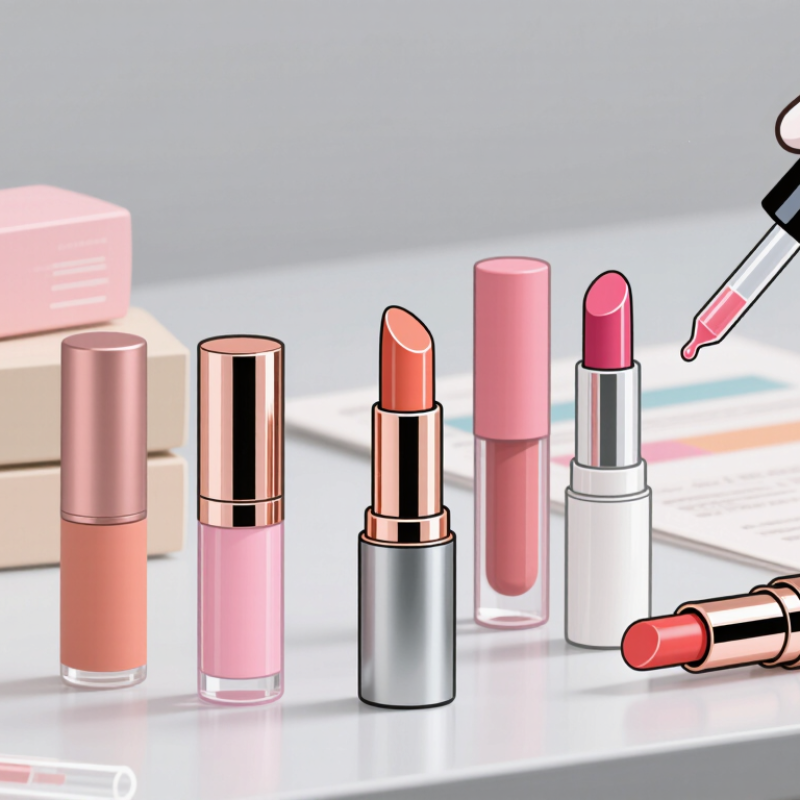
Lip and cheek sticks are solid, cream-based color cosmetics designed for two areas: lips and cheeks. Their formulas usually combine waxes, emollient oils, pigments, and film-forming agents. This structure creates a smooth glide on the lips and a blendable finish on the cheeks. Some products also work on eyelids, although compatibility testing remains important.
Their appeal is practical. One compact tube can replace separate lip color and blush. Grand View Research estimated the global color cosmetics market at about USD 70.6 billion in 2023, with continued growth expected through 2030. Market definitions vary, however, so stick-specific figures should be read carefully. This matters when comparing manufacturers. A reliable factory should show shade consistency records, stability results, microbial testing, and documented production controls under ISO 22716 principles. In real product development, texture often causes trouble. A stick may feel elegant in a cool room but soften during shipping. That detail is easy to underestimate.
Tips: Test the stick on dry and moisturized skin. Check payoff after several hours. Review ingredient traceability and packaging compatibility before placing large orders. Ask for heat-cycle samples, not only attractive laboratory swatches. Consumers increasingly prefer convenient, portable makeup, but convenience cannot replace safe formulation practice. A useful design may still need refinement.
Lip and cheek sticks are solid cosmetic products designed for direct application. The chart compares the number of primary application areas covered by each product type.
A lip-only stick is intended for one application area, a cheek-only stick is intended for one application area, and a lip-and-cheek stick is intended for two application areas. These values describe product function rather than sales or manufacturer performance.
Choosing China’s top lip and cheek stick manufacturers requires more than comparing prices or polished catalogs. A reliable evaluation starts with product evidence. Request samples in several shades, then check color payoff, blendability, drag, fragrance, and breakage. Test the stick after heat exposure and repeated opening. A creamy formula may perform well in the lab but soften during shipping.
Ask whether the factory follows documented quality procedures and can provide batch records, ingredient specifications, safety data, and stability results. Confirm that the formula matches the declared ingredient list. Check whether production areas are clean, traceable, and suitable for cosmetic manufacturing.
An on-site audit, video inspection, or independent quality review adds useful confidence. Do not accept vague answers about testing. They often signal weak control.
Tips:
Compare at least three suppliers using the same checklist. Review their minimum order quantity, sampling fees, mold costs, lead time, and packaging options. Ask how they handle shade variation, damaged goods, and delayed materials. Clear answers matter. A beautiful sample proves little without repeatable production. I would also test a second batch, because the first sample can receive extra attention. This step may feel slow, but it can reveal uneven filling, loose caps, or changes in texture. Supplier evaluation is never perfect; even a detailed audit has blind spots.
Leading Lip and Cheek Stick Manufacturers in China
Leading lip and cheek stick manufacturers in China combine formulation knowledge with disciplined production control. They develop products that glide smoothly, blend quickly, and leave an even finish on both lips and cheeks. Experienced teams usually test wax structure, pigment dispersion, melting point, and transfer resistance before approving a formula. Small details matter. A stick that breaks in a warm delivery truck is not ready for the market.
Reliable manufacturers should provide clear production records and practical quality evidence. Buyers can request factory audit reports, cosmetic GMP documentation, ingredient specifications, stability results, and microbiological test records. During sampling, inspect the twist mechanism, fill weight, surface texture, and shade consistency across several units. Ask how rejected batches are isolated and recorded. These answers reveal more than polished sales presentations.
Professional manufacturers also support flexible development. They may adjust the formula for a softer balm, a satin finish, or a stronger color payoff. Packaging compatibility testing helps prevent cracking, sweating, or unwanted odor. Communication is equally important, especially when discussing sampling time, minimum order quantities, and delivery schedules. No supplier is perfect. Some promising samples still need better wear testing or clearer documentation. Careful buyers should compare repeat samples rather than trust one successful trial.
| Data Dimension | Industry Reference | Typical Lip and Cheek Stick Requirement | Quality or Compliance Relevance |
|---|---|---|---|
| Product Format | Multi-use color cosmetic stick | Designed for application on both lips and cheeks, with a formula that balances color payoff, glide, adhesion, and comfort. | Dual-use products require appropriate safety assessment for each intended area of application. |
| Formula Type | Anhydrous or low-water formulation | Common formula structures include waxes, oils, emollients, pigments, and film-forming ingredients. | Low-water systems can support stick structure, but compatibility, oxidation, and microbial safety still require testing. |
| Manufacturing Process | Heating, mixing, filling, cooling, and surface finishing | Solid sticks are commonly produced by accurately weighing ingredients, melting compatible materials, homogenizing the batch, filling the packaging, and controlling the cooling process. | Process temperature and cooling conditions affect hardness, sweating, shrinkage, texture, and surface appearance. |
| Common Stick Packaging | Twist-up cosmetic component | Typical materials include polypropylene, polyethylene, ABS plastic, aluminum, or combinations of these materials. | Packaging should be evaluated for mechanical strength, formula compatibility, leakage prevention, and consumer safety. |
| Typical Fill Size | Small portable format | Commercial lip and cheek sticks commonly use compact fills, often approximately 3–8 g, depending on the package design and positioning. | Actual fill weight must be confirmed through product specifications, filling tolerances, and net-content inspection. |
| Texture Requirements | Stable solid with controlled payoff | The stick should remain sufficiently firm during storage while delivering an even, blendable layer during application. | Hardness, breaking strength, pay-off, glide, and retraction performance are important quality-control indicators. |
| Color Performance | Consistent shade and pigment dispersion | Color should remain visually uniform throughout the stick, with suitable coverage and blendability for lips and cheeks. | Pigment dispersion, batch-to-batch color comparison, and rub-off evaluation help control finished-product consistency. |
| Stability Evaluation | Physical, chemical, and packaging stability | Evaluation commonly includes room-temperature storage, elevated-temperature storage, low-temperature exposure, freeze-thaw cycles, and light exposure where relevant. | Testing helps identify changes in odor, color, texture, sweating, cracking, shrinkage, package deformation, and formula separation. |
| Microbiological Quality | Cosmetic microbiological safety | Finished products should be assessed using applicable cosmetic microbiological testing methods, even when the formula contains little or no water. | Testing should be conducted according to applicable regulatory and technical requirements for the intended market. |
| Regulatory Framework in China | Cosmetics Supervision and Administration Regulation | Cosmetic products placed on the Chinese market are subject to China’s Cosmetics Supervision and Administration Regulation and related NMPA requirements. | Product classification, safety assessment, notification or registration, labeling, and claims must be reviewed before market launch. |
| Good Manufacturing Practice | ISO 22716:2007 | ISO 22716 provides internationally recognized guidance for cosmetic good manufacturing practices, including production, quality control, storage, and shipment. | GMP-based procedures improve traceability, hygiene management, batch control, and manufacturing consistency. |
| Ingredient Compliance | Market-specific permitted and restricted ingredient lists | Colorants, preservatives, UV filters, fragrances, and other ingredients must be checked against the current requirements of the target market. | An ingredient permitted in one country may have different restrictions, labeling rules, or documentation requirements elsewhere. |
| Safety Documentation | Formula and raw-material technical records | Relevant records may include the ingredient list, specifications, safety data sheets, certificates of analysis, testing reports, and product safety information. | Complete documentation supports regulatory filing, customer review, quality audits, and product traceability. |
| Packaging Compatibility | Formula-to-component compatibility | Testing should examine staining, swelling, odor transfer, color migration, leakage, mechanism performance, and interaction between the formula and package. | Compatibility testing reduces the risk of package failure during transportation, storage, and consumer use. |
| Quality Control Points | Raw material, in-process, and finished-product inspection | Common checks include appearance, odor, color, net weight, dimensions, hardness, pay-off, fill accuracy, packaging function, and microbial quality. | A documented inspection plan helps maintain repeatability across production batches and private-label projects. |
| Customization Options | Formula, shade, finish, package, and decoration | Available development variables may include matte, satin, glossy, or balm-like finishes; custom shades; molded shapes; labels; printing; and surface decoration. | Each customization should be assessed for technical feasibility, minimum production requirements, lead time, and regulatory impact. |
| Common Product Claims | Cosmetic performance claims | Examples include buildable color, blendable texture, moisturizing feel, long-wearing performance, and multi-use application. | Claims should be supported by appropriate evidence and must comply with the advertising and cosmetic-claims rules of the target market. |
| Export Readiness | Destination-market documentation and labeling | Export preparation may require target-market ingredient review, product specifications, test reports, artwork review, and compliant packaging information. | Requirements vary by destination, so regulatory review should be completed before commercial production. |
China’s leading lip and cheek stick manufacturers usually offer more than filling and packaging. They develop cream, balm, satin, matte, and glossy formulas for different skin types.
Grand View Research valued the global color cosmetics market at approximately USD 74.2 billion in 2023. It also projects a 5.7% compound annual growth rate from 2024 to 2030. This demand encourages manufacturers to improve multifunctional products.
Formulation options include wax-based sticks, lightweight emulsions, and silicone-enhanced textures. A stable formula should glide smoothly without dragging the skin. It should also resist sweating, fading, and oil separation.
Experience matters at the filling line. Manufacturers can adjust pigment loads, emollients, fragrance levels, and preservative systems. They may also provide shade matching, sample development, stability testing, and compatibility checks for packaging materials.
Manufacturing services often include private-label production, custom molding, decoration, inspection, and export documentation. McKinsey’s 2023 beauty industry report estimated that the global beauty market could reach about USD 580 billion by 2027. Flexible minimum order quantities can help smaller buyers test this growth carefully.
However, low cost does not always mean strong value. A beautiful sample may fail after repeated heat exposure. That detail is often missed.
Buyers should request batch records, microbiological testing, ingredient documentation, and real-time or accelerated stability data. No formula is perfect. Clear communication still prevents many avoidable production problems.
Choosing a Chinese lip and cheek stick manufacturer requires more than comparing factory prices. A reliable partner should demonstrate relevant production experience, clear quality procedures, and stable communication. Ask how the factory controls color consistency, stick hardness, payoff, and sweating during storage. Request recent samples, not only polished showroom pieces. Test them on lips and cheeks. Check the twist mechanism after repeated use. Small details reveal process discipline.
Review the manufacturer’s facility through an audit or live video inspection. Look for documented raw material receiving, batch coding, filling controls, and finished-product checks. Request ingredient specifications, safety data, and testing records for your target market. Agree on regulatory responsibilities before development begins. Confirm who approves the formula, packaging, artwork, and final release. A low minimum order may help testing, but it can hide higher unit costs. Get a written quotation covering tooling, sampling, freight, and revision fees.
Communication often decides whether a project succeeds. Give the factory a precise brief with shade references, finish, target weight, package dimensions, and launch dates. Request a sample timeline with approval points. Keep written records. A common mistake is treating shade adjustment as minor; unclear visual standards can delay packaging approval. Leave room for stability testing and production corrections. The cheapest supplier is rarely the safest choice. Choose a manufacturer that explains problems plainly and supports solutions with evidence.