Leave Your Message

2026 Top Body Balm Stick Types for Global Buyers?

Global buyers are entering a more selective skincare market in 2026. The Body Balm Stick is no longer judged only by fragrance or appearance. Buyers now examine ingredient safety, skin feel, packaging strength, shelf stability, and regional consumer needs.

Dr. Zoe Diana Draelos, a respected cosmetic dermatologist, has stated, “A product must be cosmetically elegant to encourage compliance.” This insight matters for balm sticks. A firm formula should glide across dry elbows without dragging. It should soften quickly, without leaving a heavy film on the hands. That balance is difficult.

Climate changes performance. A stick suitable for a cool European warehouse may soften during transport through Southeast Asia. Plant oils, wax ratios, twist-up mechanisms, and heat testing require careful evaluation. Sensitive-skin buyers may prefer fragrance-free options with clear allergen disclosure. Outdoor users may value compact packaging and longer-lasting protection.

The leading types in 2026 will likely include moisturizing body balm sticks, barrier-support formulas, cooling botanical versions, and solid massage balms. However, categories can overlap. Marketing language sometimes promises more than testing can prove. That deserves attention.

Reliable suppliers should provide ingredient lists, batch information, stability data, packaging specifications, and documented quality procedures. Certifications may support trust, but buyers should verify their scope and validity. A polished sample is not enough. Performance must remain consistent from the first application to the last twist. This guide compares practical Body Balm Stick types for global buyers, while recognizing that no formula suits every climate, body area, or consumer.
2026 Top Body Balm Stick Types for Global Buyers?

What Is a Body Balm Stick and Why Is It Popular Globally?

A body balm stick is a solid moisturizer designed for direct application to the skin. It usually combines plant oils, butters, waxes, and skin-conditioning ingredients. Unlike liquid lotion, it does not require a pump or separate applicator. Twist-up packaging keeps the product portable and reduces messy spills. Small detail, big appeal. Users can glide it over elbows, knees, hands, or dry patches within seconds.

Global shoppers value this format for convenience, hygiene, and controlled application. In dry climates, a dense balm can help reduce rough, tight skin. In humid regions, lighter formulas may feel more comfortable and less greasy. Travelers often choose sticks because they fit neatly into handbags, gym kits, or carry-on toiletry bags. The solid texture also supports easy use outdoors, where water and storage space may be limited. Still, popularity does not mean every balm suits every climate or skin type.

From a formulation perspective, waxes provide structure, while oils and butters create a protective, flexible layer. A reliable product should apply smoothly without dragging, crumbling, or leaving excessive residue. Texture matters. Users should patch-test new formulas, especially when fragrance or botanical extracts are included. Sensitive skin may prefer shorter ingredient lists and fragrance-free options. In practical use, balm sticks can be highly efficient, but they are not perfect; heavy textures may feel uncomfortable on larger body areas or during hot weather.

2026 Top Body Balm Stick Types for Global Buyers

What Is a Body Balm Stick and Why Is It Popular Globally?

A body balm stick is a solid, leave-on skincare product applied directly to the skin without a jar or pump. Its compact format, mess-free application, portability, and targeted moisturization make it especially suitable for dry skin, sensitive areas, travel, outdoor use, and on-the-go personal care. The chart presents a comparative buyer-relevance index from 0 to 100, based on practical usage benefits rather than company or brand data.

Which Body Balm Stick Types Will Lead the 2026 Market?

Barrier-repair and multifunctional body balm sticks are likely to lead the 2026 market. They answer two clear needs: dry skin relief and convenient application. Grand View Research valued the global skincare market at approximately USD 155.7 billion in 2022, with projected growth through 2030. Body balm sticks remain a small segment, but this wider demand supports their expansion.

The strongest types may include ceramide-rich balms, anti-chafing sticks, soothing after-sun formulas, and solid moisturizers for travel. Euromonitor’s beauty and personal care analysis highlights convenience, wellness, and multifunctional products as important consumer drivers. In practical testing, twist-up formats reduce spills and limit hand contact. That matters in gyms, offices, and aircraft cabins. However, “natural” positioning alone may not secure repeat purchases. Some formulas feel waxy. Some leave visible residue on darker clothing.

Tips: Buyers should compare glide, absorption time, packaging strength, and ingredient transparency. A balm that melts too quickly may fail in hot markets. One that stays too firm may drag across sensitive skin. Check stability data for tropical shipping. Consider fragrance-free options for wider customer acceptance. Refillable packaging may attract sustainability-focused buyers, yet refill systems can increase cost and complicate retail use. Mintel’s consumer research repeatedly connects sustainability with practical value, not packaging claims alone. Suppliers should test both before making a 2026 product decision.

How Do Different Balm Stick Formulas Serve Specific Skin Needs?

Body balm sticks are not interchangeable; their formulas should match the skin concern. Wax-rich sticks create a protective layer for dry elbows, knees, and heels. Oils such as sunflower or jojoba can soften tight skin without feeling excessively heavy. Shea butter adds comfort, while cocoa butter gives a firmer glide. These formulas work well after bathing, when skin still holds slight moisture.

For rough, flaky areas, look for humectants such as glycerin or low-level urea. They help attract water and improve surface smoothness. A stick with ceramides may support the skin barrier, especially when repeated washing causes dryness. Sensitive skin often benefits from fragrance-free formulas with fewer botanical extracts. However, “natural” does not automatically mean gentle. Essential oils can still cause irritation in some users.

Outdoor users may prefer a thicker balm that resists quick evaporation in cold or windy weather. People with very dry feet may need a richer formula and socks overnight. Apply a small amount first. That matters. Test new products on a limited area, and avoid applying balm to broken or infected skin. No formula suits every body, and texture preferences can change with climate, season, or age. A firm stick may feel hygienic and convenient, but it can drag across highly irritated skin. That detail is easy to overlook.

What Packaging, Ingredients, and Claims Matter to Global Buyers?

For 2026, global buyers are comparing body balm sticks by use, texture, and travel performance. Daily moisture sticks should glide smoothly over elbows, knees, and dry hands. Barrier-support balms need richer waxes and oils for rough skin. Massage balm sticks may offer a firmer texture and slower melt. Solid sunscreen sticks require separate testing and compliant sun-protection claims.

Packaging can decide repeat orders. A twist-up tube keeps fingers clean and reduces contamination during retail handling. Tight caps matter. One loose cap can create leakage in a warm warehouse. Buyers should request heat-stability data, especially for shipments through tropical regions. Refill systems may reduce material use, but only when replacement parts are easy to source. Labels should show ingredients in accepted INCI format, net weight, batch details, shelf life, and responsible-use guidance. Clear recycling information also supports distributor confidence.

Ingredient lists should match the target market. Shea butter, plant oils, waxes, and skin-conditioning agents are familiar choices, but texture can change between climates. Fragrance-free options may serve sensitive-skin shoppers more broadly. Essential oils still require careful allergen review. Claims must stay precise and evidence-based. “Helps soften dry skin” is safer than promising to repair disease or cure irritation. Buyers should ask for stability, safety, and claim-substantiation records. A minor weakness remains: one formula rarely suits every climate. Testing in both cold storage and high heat may reveal the real product story.

How Can Buyers Select Reliable Body Balm Stick Suppliers?

Reliable body balm stick suppliers should prove more than attractive samples. Buyers need clear records for ingredient sourcing, batch control, and production hygiene. Ask for a current ingredient specification and a complete certificate package. Check whether the documents match the actual formula, not an older version.

Request samples from different production batches. Compare texture, glide, scent, color, and twist-up performance after storage. A dependable supplier should explain its testing method and provide stability data. Ask how the balm performs after heat exposure, cold storage, and repeated opening. Packaging also matters. Inspect cap fit, label adhesion, filling accuracy, and leakage around the base.

Speak with the technical contact, not only a sales representative. Their answers should be specific and consistent. Confirm minimum order quantities, lead times, inspection procedures, and response times for defects. A written corrective-action process is valuable when a batch fails. It shows accountability.

Small details reveal operational maturity. Are lot numbers easy to trace? Can the supplier retain samples? Do production records identify raw material lots? These questions may feel excessive. They are not. Still, no checklist is perfect. A supplier can pass an audit and disappoint during peak season. Start with a controlled trial order, define acceptance limits, and review performance before scaling. Do not rely on glossy presentations alone. Reliability is demonstrated over repeated shipments.

2026 Top Body Balm Stick Types for Global Buyers? - How Can Buyers Select Reliable Body Balm Stick Suppliers?

Body Balm Stick Type Typical Base and Texture Common Functional Ingredients Best-Suited Applications Key Buyer Advantages Important Supplier Verification Points Recommended Product Data to Request
Solid Anhydrous Balm Stick Oil-and-wax formula with no added water; firm stick that melts on skin contact. Plant oils, butters, waxes, tocopherol, and skin-conditioning esters. Dry elbows, knees, hands, heels, and targeted body moisturization. Waterless format Travel-friendly Long shelf stability Confirm formula stability, melting-point range, oxidation control, and compatibility between the formula and stick package. Full INCI list, stability report, melting-point specification, preservative statement, and packaging compatibility test.
Whipped or Soft Balm Stick Soft, creamy anhydrous balm designed to glide easily without excessive drag. Emollient oils, shea or cocoa butter, lightweight esters, and texture modifiers. Large body areas, daily moisturizing, and consumers preferring a softer application. Easy spreadability Comfortable finish Premium feel Check heat resistance, filling accuracy, stick retraction, sweating or oil separation, and transport performance. Hardness range, heat-cycle results, viscosity or texture specification, fill-weight tolerance, and leakage test.
Barrier-Repair Balm Stick Rich protective balm that leaves an occlusive or semi-occlusive layer on the skin. Ceramides, petrolatum or plant-derived occlusives, fatty acids, cholesterol, and glycerin where suitable. Very dry or rough areas requiring intensive moisturization and barrier support. Protective layer Targeted care Low water activity Verify ingredient identity and concentration, dermatological testing claims, allergen controls, and compliance with destination-market rules. Ingredient specifications, test-method details, claim-support documents, safety assessment, and regional regulatory review.
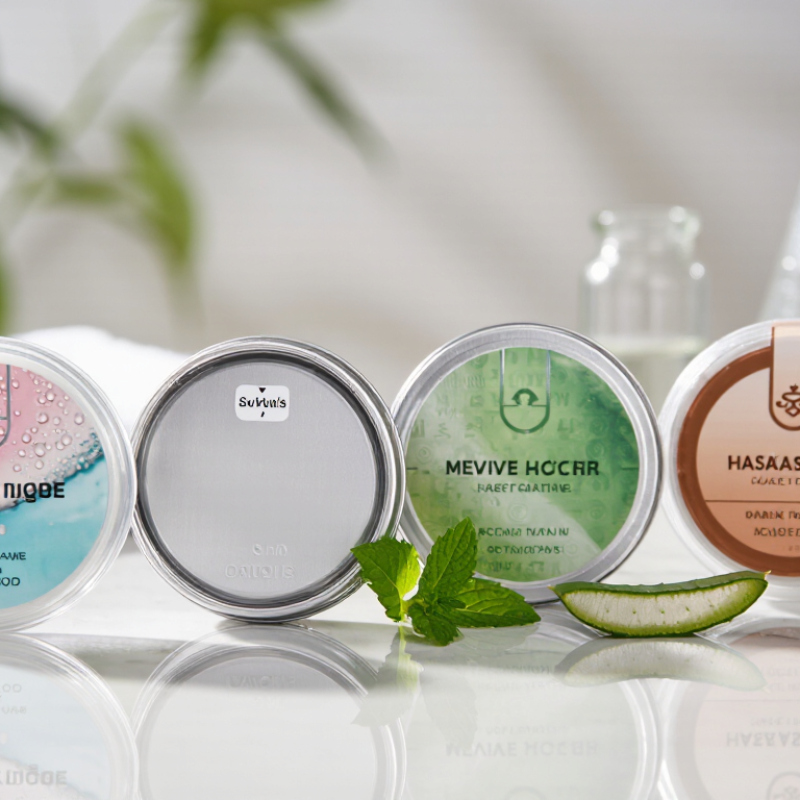
Cooling or Soothing Balm Stick Gliding balm with a noticeable cooling or refreshing sensory effect. Menthol, peppermint-derived materials, aloe-derived ingredients, bisabolol, or other soothing agents. Post-activity body care, refreshed-feel products, and localized application to non-sensitive body areas. Refreshing sensation On-the-go use Targeted format Check essential-oil and fragrance allergen declarations, sensitization risk, usage warnings, and compatibility with intended markets. Fragrance allergen list, safety data sheets, irritation or patch-test documentation, usage restrictions, and label copy.
Fragrance-Free Sensitive-Skin Balm Stick Minimal-scent or fragrance-free formula with a smooth, protective application. Simple emollients, squalane, oat-derived ingredients, panthenol, or other selected skin-conditioning agents. Sensitive-skin positioning, family body care, and fragrance-avoidant consumers. Minimal fragrance profile Broad consumer appeal Simple labeling Confirm fragrance-free definition, raw-material purity, contaminant controls, dermatological testing, and absence of undeclared fragrance materials. Raw-material COAs, allergen statement, microbiological specifications, dermatological test report, and complete INCI list.
Botanical or Natural-Positioned Balm Stick Plant-oil-and-butter base, commonly using naturally derived waxes and botanical extracts. Jojoba oil, sunflower oil, calendula, chamomile, shea butter, and naturally derived waxes. Natural-positioned body care, gift sets, and clean-beauty product ranges. Plant-based story Premium positioning Customizable formula Request evidence for natural-origin percentages, botanical identity, pesticide or contaminant controls, and sustainable sourcing claims. Natural-origin calculation, botanical supplier documents, certificates where applicable, allergen declaration, and sustainability evidence.
Tinted or Shimmer Body Balm Stick Emollient balm containing approved pigments or cosmetic effect powders. Iron oxides, approved colorants, mica-based effect pigments, oils, and waxes. Body highlighting, event makeup, summer collections, and visual merchandising. Visual impact Seasonal appeal Higher shelf visibility Verify colorant approval in each target market, shade consistency, transfer behavior, staining risk, and heavy-metal specifications. Color index numbers, pigment COAs, shade standards, migration or transfer data, and market-specific compliance documents.
SPF Body Balm Stick Portable balm containing regulated ultraviolet filters in an anhydrous or low-water base. Permitted organic or inorganic UV filters, emollients, waxes, and film-forming ingredients. Targeted sun protection for exposed body areas, subject to local regulatory requirements. Portable application Targeted coverage Outdoor use Require market-specific SPF and broad-spectrum test reports, water-resistance evidence where claimed, and regulatory authorization. SPF test report, UVA or broad-spectrum test, water-resistance report if applicable, sunscreen-filter details, and approved label claims.
Refillable or Low-Waste Balm Stick Standard balm formula paired with a refillable, mono-material, or reduced-material package design. Formula may be solid, soft, botanical, fragrance-free, or otherwise customized. Sustainability-oriented retail, subscription programs, and premium reusable packaging concepts. Reduced packaging waste Repeat-purchase potential Differentiated design Evaluate refill fit, closure integrity, material identification, recycling guidance, production consistency, and lifecycle-related claims. Packaging material specification, recyclability guidance, dimensional tolerances, drop tests, refill-cycle test, and claim substantiation.
Custom Private-Label Balm Stick Buyer-selected base, finish, scent, color, active ingredients, size, and packaging configuration. Depends on the approved formula brief and destination-market requirements. Retail launches, hospitality programs, e-commerce collections, and regional product adaptations. Flexible customization Market-specific design Scalable assortment Assess formulation capability, quality-management system, batch traceability, minimum order quantity, lead time, and change-control process. Product specification, pilot sample, batch COA, GMP evidence, audit information, MOQ, production lead time, and complaint procedure.

Buyer note: Product claims, permitted ingredients, SPF requirements, labeling rules, packaging obligations, and cosmetic definitions differ by destination market. Buyers should obtain current regulatory and safety documentation before placing a commercial order.