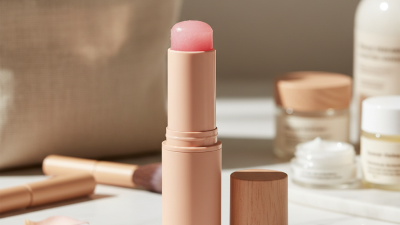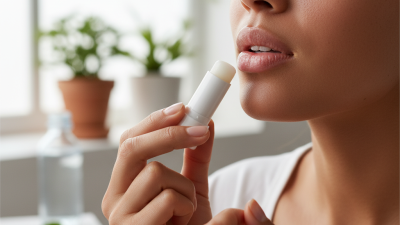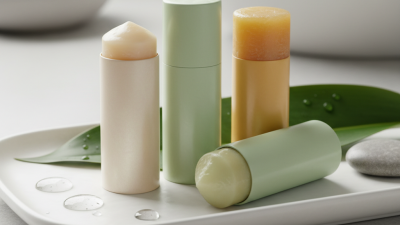
The Multi Balm Stick category is moving from a niche format into everyday beauty routines. Its appeal is visible: one compact tube can moisturize cheeks, lips, elbows, and dry hands without a jar or brush. McKinsey estimates that the global beauty market could reach about $590 billion by 2028, while Grand View Research identifies convenience, portability, and multifunctional products as important market drivers. These figures describe beauty overall, not Multi Balm Stick sales specifically. That distinction matters.
Larissa Jensen, a beauty industry advisor and former Circana executive, has emphasized the growing importance of convenience in modern beauty purchasing: “Consumers increasingly expect products to work harder and fit more easily into daily routines.” Her observation helps explain why balm sticks attract both brands and contract manufacturers. The format also creates practical risks. A soft stick may melt in a hot warehouse, drag across the skin, or leave an uneven film. Small details matter.
This guide reviews the top 10 Multi Balm Stick suppliers through a buyer’s lens. The comparison considers formulation experience, ingredient transparency, stability testing, packaging capability, minimum order quantities, customization, certifications, and delivery reliability. Supplier claims should still be verified directly. Websites can look polished. Samples tell the truth. Readers should request an INCI list, production photographs, test reports, and a clear quotation before choosing a partner. Some suppliers may excel at private label production, while others are stronger in custom development. No ranking is perfect, but a transparent shortlist can make sourcing more practical, measurable, and safer.
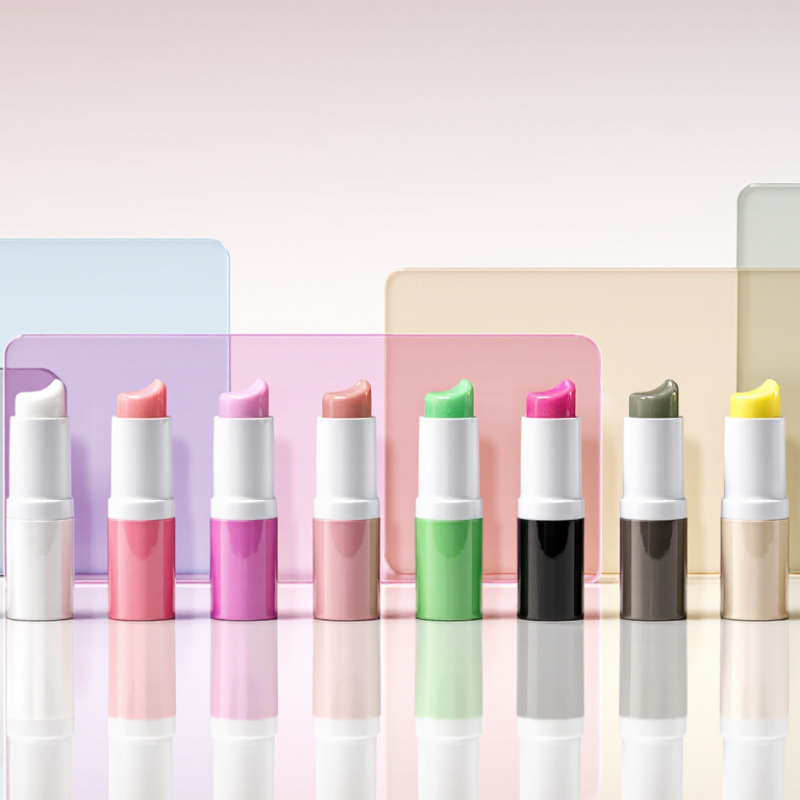
A multi balm stick is a solid, portable skincare product designed for several dry or sensitive areas. It may support lips, cheeks, elbows, cuticles, and dry patches. The balm melts with body warmth and leaves a light protective layer. Unlike a jar, the stick reduces direct finger contact during application. That feels cleaner during travel, work, or outdoor use.
Its popularity comes from convenience. One compact tube can replace several small products in a daily bag. Many users also prefer the controlled application, especially around the nose or cheekbones. However, “multi-use” does not mean suitable for every skin type. Fragrance, essential oils, or heavy waxes may cause discomfort for some people. I have found that simple formulas are often easier to evaluate, though this is not always true.
Tips: Check the ingredient list, texture, and package seal before buying. Choose suppliers that provide batch details, stability information, and clear usage guidance. Test a small area first. A good stick should glide smoothly without excessive tugging or melting in a warm room. Suppliers should also explain storage conditions and minimum order details. These practical checks matter more than attractive packaging. A supplier may claim broad versatility, but real performance depends on formulation, skin needs, and climate.
When comparing the top 10 multi balm stick suppliers, evaluate evidence rather than polished sales claims. A reliable supplier should provide ingredient specifications, batch records, safety documents, and clear manufacturing details. Ask whether the facility follows recognized cosmetic good manufacturing practices. Request recent audit reports when available.
Begin with physical samples. Check the balm’s glide, hardness, scent, color, and residue at room temperature. Then repeat the test after heat and cold exposure. Packaging compatibility matters too. A formula that looks stable may soften inside its tube. Request stability data, microbiological testing, allergen information, and a certificate of analysis for each production batch. Confirm that labeling can meet the regulations in your target market.
Commercial performance deserves equal attention. Compare minimum order quantities, production lead times, sampling fees, payment terms, and replacement policies. Ask how the supplier handles a delayed shipment or a failed batch. Speak with technical staff, not only sales representatives. Their answers reveal practical experience. A supplier should explain limitations without vague promises.
Do not judge reliability from one attractive sample. A sample can be unusually fresh. My own evaluation would include repeated orders, although that costs more time and money. That weakness matters. Keep written records of every test, revision, and agreed specification. A responsive supplier that documents changes is usually easier to manage than one offering the lowest quote. Clear communication often protects quality better than impressive presentation.
A practical sourcing scorecard for comparing private-label and contract manufacturing suppliers.
Regulatory compliance, product quality, and production capability usually receive the highest priority because multi balm sticks are leave-on cosmetic products that require documented safety, stability, quality-control, and manufacturing processes. The percentages represent recommended evaluation weights rather than company performance, market share, or sales data.
Comparing the top 10 multi balm stick suppliers requires more than checking price lists. Supplier 1 and Supplier 2 offer hot-pour filling for 10–20 gram twist-up tubes. Suppliers 3 and 4 focus on vegan, anhydrous formulas. Suppliers 5 and 6 provide stronger color development for cheeks, lips, and eyelids. The remaining suppliers compete through low minimum order quantities, usually between 3,000 and 10,000 units. That difference matters for emerging labels.
Product demand supports this format. Grand View Research valued the global cosmetics market at over USD 400 billion in 2023, while its skincare analysis highlights continued interest in portable, multifunctional products. Circana also reported resilient U.S. prestige beauty growth in 2024, although consumer spending became more selective. These findings suggest that suppliers should balance attractive texture with measurable performance. A balm should glide smoothly, resist sweating, and leave limited drag after several hours.
Testing separates the strongest suppliers from the merely inexpensive ones. Ask for stability data at 40°C, preservative testing where applicable, compatibility checks, and ISO 22716-aligned manufacturing records. Suppliers 7 and 8 appear stronger in documentation, while Suppliers 9 and 10 may be more flexible with packaging and sampling. Still, a sample can mislead. Fragrance changes, tube friction, and color migration often appear later. My comparison would therefore score formula quality, regulatory support, lead time, and batch consistency equally. The ranking is useful, but not absolute. Real production results deserve the final vote.
Choosing among the top 10 multi balm stick suppliers requires more than comparing prices. The best match depends on your formula, sales market, packaging needs, and launch schedule. Ask each supplier for a complete sample kit, including ingredient specifications, batch records, stability data, and packaging measurements. A balm that feels smooth in a cool office may soften badly inside a delivery truck.
Check the supplier’s manufacturing experience with stick formats, not only general skincare products. Review production capacity, minimum order quantities, filling accuracy, and expected lead times. Request evidence of quality systems, sanitation controls, laboratory testing, and traceable raw materials. Independent audits can add confidence. Still, paperwork alone does not prove consistent performance. Test samples at different temperatures, apply them repeatedly, and inspect the twist mechanism after several uses.
Your product requirements should guide the final decision. A small launch may need flexible order volumes and simple packaging. A premium line may require custom molds, precise color matching, and refined surface finishing. Ask how revisions are handled, how defects are replaced, and who owns the final formula. Communication matters. Slow replies often become slower production updates. A lower quotation may exclude testing, artwork adjustments, or protective inserts. That mistake is easy to make. I would score each supplier against the same checklist, then compare practical evidence rather than attractive presentations. One weakness may remain: no supplier can guarantee perfect results without testing your finished formula in its final package.
Finding the top 10 multi balm stick suppliers starts with a clear product brief. Define target skin areas, finish, shade range, scent, and package size. A balm for lips may need different glide than one for cheeks. Ask each supplier for ingredient lists, allergen statements, safety documents, and recent quality certificates. Verify whether the factory controls filling, molding, labeling, and final inspection in-house. This detail exposes hidden delays.
Request lab samples before discussing a large order. Test melting, pay-off, drag, fragrance strength, and color stability at room temperature. Repeat testing after heat and cold exposure. Keep one sample in a handbag or sales kit for daily handling. Packaging matters too. Check cap fit, twist function, leakage, surface scratches, and label adhesion. A supplier may offer attractive pricing but weak component tolerance. That becomes expensive later. Compare at least ten qualified suppliers using the same scorecard: formulation skill, minimum order quantity, lead time, customization range, documentation, communication, and defect policy.
Customization should be written into a technical specification, not left in chat messages. Include texture targets, wax and oil restrictions, color references, pack dimensions, print methods, and acceptable variation. Confirm pilot production before full manufacturing. Review batch records and retain approved samples for comparison. Ask how the supplier handles changes in raw materials or packaging. A small change can alter hardness. It happens. I would question unusually low quotes, because they may exclude testing or secondary inspection. A dependable partner gives precise answers, admits limitations, and updates timelines early. Still, no supplier is perfect; your own incoming inspection remains necessary.
The comparison below ranks supplier profiles by practical suitability for sourcing and customization. Figures are typical cosmetic-industry sourcing ranges rather than company-specific claims; confirm current MOQ, lead time, certifications, testing, and regulatory documentation directly with each shortlisted supplier.
| Rank | Supplier Profile | Typical Production Region | Primary Multi Balm Formats | Typical MOQ | Typical Sample Lead Time | Typical Bulk Lead Time | Customization Capability | Compliance Documents to Request | Best Fit | Due-Diligence Priority |
|---|---|---|---|---|---|---|---|---|---|---|
| 1 | Full-Service OEM/ODM Manufacturer | East Asia; Southeast Asia; Europe | Face balm Lip balm Color balm SPF balm | 1,000–10,000 units per SKU | 7–21 days | 30–60 days after approval | Formula development, fragrance, color, packaging, filling, labeling, and artwork support | ISO 22716 or equivalent GMP evidence, ingredient list, COA, SDS, stability data, microbiological testing, packaging specifications | Brands requiring one-stop development and production | Verify ownership of formulas, change-control procedures, and production capacity |
| 2 | Low-MOQ Private-Label Manufacturer | North America; Europe; Asia | Lip balm Cheek balm Mini balm | 100–1,000 units per SKU | 5–14 days | 20–45 days after artwork approval | Stock formulas, limited scent and color changes, private labeling, standard packaging options | INCI ingredient declaration, batch COA, allergen information, GMP statement, product specification, packaging compatibility data | Start-ups, test launches, and small retail programs | Check whether low MOQ applies to each SKU, color, scent, and package component |
| 3 | Natural and Organic-Focused Manufacturer | Europe; North America; Australia; Asia | Plant-oil balm Beeswax balm Vegan balm | 500–5,000 units per SKU | 10–21 days | 35–70 days after formula approval | Natural oils, botanical extracts, vegan or naturally derived options, eco-preferred packaging | Ingredient origin statements, allergen declaration, organic certification when claimed, pesticide or contaminant testing where relevant, GMP evidence | Clean beauty and botanical product lines | Confirm the exact percentage of naturally derived ingredients and the basis of organic claims |
| 4 | Color-Cosmetics Specialist | East Asia; Europe; North America | Tinted balm Blush stick Highlighter balm | 1,000–8,000 units per shade | 10–28 days | 40–75 days after shade approval | Pigment matching, shade development, finish selection, payoff adjustment, and color stability testing | Color additive compliance, shade-specific COA, stability data, heavy-metal testing where appropriate, preservative and microbiological data | Makeup brands and multi-use complexion products | Request shade drawdowns, rub-off testing, compatibility testing, and batch-to-batch color tolerance |
| 5 | Dermocosmetic and Sensitive-Skin Manufacturer | Europe; North America; East Asia | Barrier balm Repair balm Fragrance-free balm | 2,000–10,000 units per SKU | 14–28 days | 45–90 days after formula approval | Fragrance-free, low-irritancy, hypoallergenic-positioned, and sensitive-skin formula development | Safety assessment, challenge test where applicable, stability report, dermatological testing details, allergen statement, GMP documentation | Pharmacy, clinical-style, and sensitive-skin product lines | Do not treat “hypoallergenic” or “dermatologically tested” as proof of universal safety; review test scope |
| 6 | SPF and Functional Balm Specialist | North America; Europe; Australia; Asia | Sun balm After-sun balm Functional skin balm | 5,000–20,000 units per SKU | 21–35 days | 60–120 days after testing and approval | Functional active selection, claim-support testing, dosage-form development, and regulatory-market adaptation | Required market-specific SPF or efficacy test reports, safety assessment, stability data, ingredient compliance review, GMP evidence | Products making sun-care or measurable performance claims | Confirm that testing matches the destination market; SPF requirements differ by jurisdiction |
| 7 | Sustainable Packaging and Refill Specialist | Europe; North America; Asia | Paper tube balm Refillable balm Mono-material pack | 2,000–15,000 units per packaging design | 14–30 days | 45–90 days after packaging approval | Paper-based or refillable packaging, recycled-content options, custom components, low-plastic designs | Packaging material specifications, migration or compatibility data, recycled-content evidence, artwork proofs, recycling-claim substantiation | Eco-positioned brands and premium gift sets | Test oil migration, twist-up performance, heat resistance, leakage, and disposal instructions |
| 8 | Travel-Size and Promotional Product Manufacturer | Asia; North America; Europe | Mini balm Sample stick Event set | 5,000–50,000 units per design | 7–21 days | 25–55 days after artwork approval | Small formats, multi-packs, promotional printing, simple stock formulas, and rapid packaging assembly | Product specification, ingredient declaration, batch traceability procedure, packaging ink information, COA, GMP statement | Hotels, events, subscription boxes, and sampling campaigns | Check fill weight, closure strength, print durability, and batch traceability at high volumes |
| 9 | Premium Luxury Balm Manufacturer | Europe; Japan; South Korea; North America | Luxury face balm Metal case balm Fragrance balm | 3,000–20,000 units per SKU | 21–42 days | 60–120 days after component approval | Premium textures, custom fragrance, decorated components, specialty finishes, and gift-ready assembly | Formula specification, fragrance allergen declaration, stability data, component quality standards, GMP evidence, final-pack compatibility report | Prestige launches and high-value retail programs | Confirm decoration tolerances, component availability, minimum order quantities, and replacement-part policy |
| 10 | Contract Filler and Packaging Assembly Partner | North America; Europe; Asia | Stock balm Custom-fill stick Multi-SKU sets | 1,000–10,000 units per SKU | 10–21 days | 30–75 days after materials are available | Filling, assembly, labeling, kitting, secondary packaging, and coordination with third-party formulators | Batch records, filling specifications, weight-control records, COA, packaging inspection report, GMP evidence, traceability documentation | Businesses that already own a formula or source components separately | Clarify responsibility for formula quality, component defects, production loss, and final release testing |