Leave Your Message

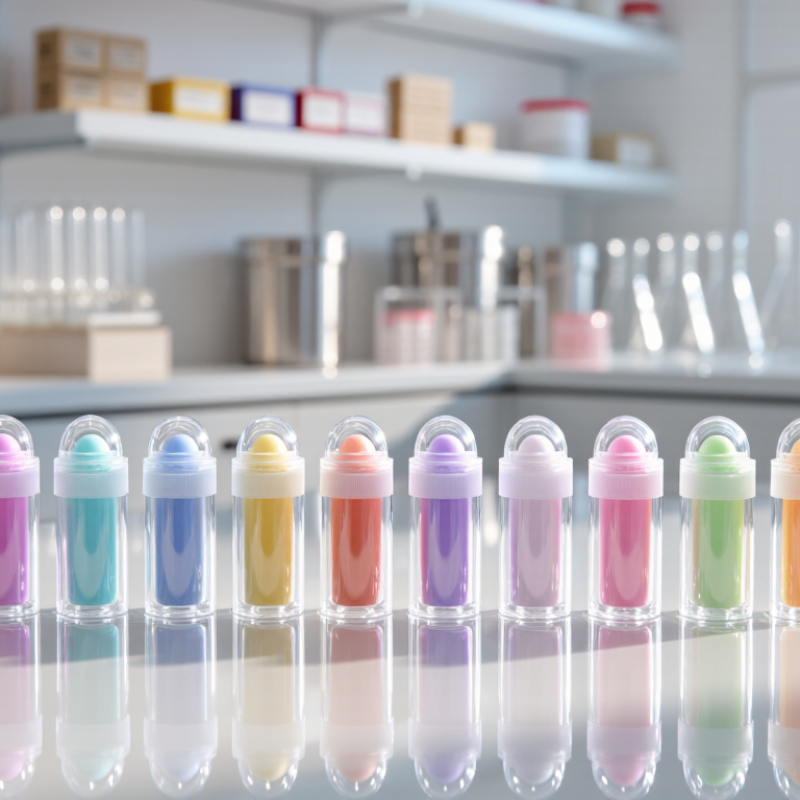
China Top 10 Healing Balm Stick Suppliers?

China’s personal-care market offers a broad base of manufacturers, but a Healing Balm Stick is not simply a small balm poured into a tube. Buyers need to assess formula stability, ingredient traceability, filling precision, packaging compatibility, and the supplier’s ability to handle samples and repeat orders. Small details matter: a cap that loosens in transit can turn a good formula into a poor customer experience.

Market data provides useful context, though it does not measure balm sticks specifically. The National Bureau of Statistics of China reported retail sales of cosmetics at RMB 435.5 billion in 2024, up 2.8% year over year. That figure reflects the wider cosmetics market, not demand for any single product. It should not be treated as proof that every balm-stick supplier is growing or equally capable.

This guide compares ten China-based suppliers using practical sourcing factors, including manufacturing experience, product customization, quality documentation, and communication. Where available, buyers should review relevant quality-management records, request current product samples, and confirm specifications directly with each factory. Supplier listings and online claims can be incomplete. A ranking is only a starting point, not a guarantee; even careful screening can miss production details that become visible only after a trial order.
China Top 10 Healing Balm Stick Suppliers?

Define Healing Balm Sticks by Formula, Use, and Cosmetic-versus-Drug Claims

A healing balm stick is best defined by three things: its formula, its intended use, and its claims. The format alone proves nothing. A typical anhydrous stick may combine waxes, oils, and emollients to soften skin and leave a protective-feeling film. A smooth glide matters; so does whether the stick drags, crumbles, or melts in a warm pocket. “Moisturizes dry skin” is a cosmetic-style claim. “Treats a wound” or “relieves pain” can signal a drug claim, depending on the market and product details. The U.S. FDA’s OTC External Analgesic Drug Products monograph covers specified active ingredients and conditions; it is not a shortcut for making unverified healing promises.

The distinction deserves care. FDA classification considers intended use, including product claims, rather than stick shape alone. For suppliers, request the full ingredient list, active-ingredient specifications where relevant, stability data, and substantiation for each claim.

Small format, big distinction.

A market figure offers context, not proof of demand for this niche: Cosmetics Europe’s 2024 market report estimated European cosmetics and personal care retail sales at €96 billion in 2023. That broad category includes many products, not healing sticks specifically.

The boundary is not always tidy, so buyers should check the target market’s requirements and review wording before printing packaging. One overlooked verb can change the product’s regulatory path.
Map China’s Top 10 Suppliers Using NMPA Records and ISO 22716:2007 GMP

Mapping China’s top ten healing balm stick suppliers should begin with verifiable records, not polished brochures. Check NMPA product filing details and the responsible company’s manufacturing qualifications, then confirm that the product type and production site match the supplier’s claims. NMPA records help verify product information, but they do not prove factory-wide GMP performance. ISO 22716:2007 provides cosmetics GMP guidance; review the certificate’s issuing body, validity, site, and scope. A certificate for another facility tells you little.

Market context matters. China’s National Bureau of Statistics reported cosmetics retail sales of 435.2 billion yuan in 2024, up 2.8% year on year. That figure signals a large, competitive market, not balm-stick demand specifically. Build a shortlist using consistent checks: filing traceability, audit results, production capability, quality documentation, and sample consistency. A neat spreadsheet can still hide gaps. This method is useful, but not foolproof.

Tips: Match the factory address across the NMPA record, ISO certificate, and audit documents. Ask for batch records and stability-test summaries. Note unresolved differences rather than quietly scoring them as passes.

China Top 10 Healing Balm Stick Suppliers? — Regulatory Timeline for Supplier Mapping

These regulatory milestones provide context for checking NMPA records and ISO 22716:2007 GMP evidence. This chart does not rank or name suppliers; a verified Top 10 requires current product and manufacturing records, plus confirmation of each facility’s certificate scope and validity.

Sources: ISO catalogue (ISO 22716:2007 publication date); China’s Cosmetics Supervision and Administration Regulation; NMPA Measures for the Administration of Cosmetics Registration and Filing.

Compare Supplier Data: MOQ, Monthly Output, Lead Time, and Customization

When comparing China’s healing balm stick suppliers, separate MOQ by formula, packaging, and tooling. A low MOQ may apply only to an existing base and stock container. Ask whether custom colors, fragrance, labels, or molds change the minimum. Small detail. It matters.

Compare monthly output in finished units for the exact stick size and pack format, not a factory’s headline capacity. Request recent production records, available shifts, and the number of lines that can handle your order. McKinsey’s 2023 beauty-market analysis projected the global beauty market could reach $580 billion by 2027, with about 6% annual growth. That broad forecast is not balm-stick demand data, but it signals why capacity planning deserves scrutiny.

Break lead time into sampling, formula approval, packaging procurement, production, and shipment. Ask suppliers to state each stage in calendar days and identify what could delay it. For customization, confirm fill weight, stick mechanism, cap fit, scent options, artwork, and testing requirements in writing. ISO 22716 provides cosmetics GMP guidance; request relevant quality documents and batch records, not just a certificate image. Compare like with like. A supplier’s fast estimate may change once custom packaging is involved.

Check Safety Evidence Against ISO 11930:2019 and Stability-Test Protocols

When comparing China’s healing balm stick suppliers, ask for evidence tied to the exact formula and packaging. ISO 11930:2019 evaluates a cosmetic product’s antimicrobial protection through a controlled challenge test. It is not a general safety certificate. A qualified laboratory should document the organisms tested, inoculation levels, sampling schedule, neutralization method, and results against the standard’s acceptance criteria. Ask whether the tested sample matches the production formula. Small changes can matter.

The balm’s low water content may reduce microbial growth, but it does not prove the product stays uncontaminated during use. Test the finished stick, especially if users twist it repeatedly or apply it directly to skin. Stability records should show real-time and justified accelerated storage, with defined temperatures, light exposure, and test intervals. Track odor, color, hardness, glide, sweating, package fit, and weight. Check oxidation or ingredient changes where relevant. Keep batch and method details. Vague summaries are not enough.

One awkward detail deserves attention: an accelerated test cannot perfectly predict years on a shelf. Request the protocol, raw observations, and any deviations, not only a pass statement. Suppliers should explain how results informed shelf life and storage advice. Good evidence is specific, reproducible, and honestly limited.

Screen Export Compliance Under EU Regulation 1223/2009 and U.S. FDA Rules

When comparing healing balm stick suppliers, look beyond sample quality and export price. Ask for the full ingredient list, batch traceability, stability data, and evidence supporting product claims. A balm that feels smooth in a warm showroom may soften during summer shipping. Request packaging compatibility and temperature-test records. Paperwork can appear complete yet still miss a key detail; verify documents against the exact formula and market.

For the EU, Regulation 1223/2009 requires a responsible person, a Cosmetic Product Safety Report, and a Product Information File. The product must be notified through the Cosmetic Products Notification Portal before sale, and its label must meet EU requirements. Ask suppliers how they control restricted ingredients and follow cosmetic good manufacturing practices.

In the United States, cosmetics generally do not receive FDA premarket approval, except for color additives. MoCRA also sets requirements for facility registration, product listing, safety substantiation, and serious adverse-event reporting, subject to applicable rules and exemptions. Drug-like claims may change how a product is regulated.

Tips: Request current, market-specific documents—not just a generic compliance certificate. Compare the ingredient list with the label, and confirm who handles registration, safety records, and adverse-event procedures. Keep a dated review checklist. Small gaps matter.