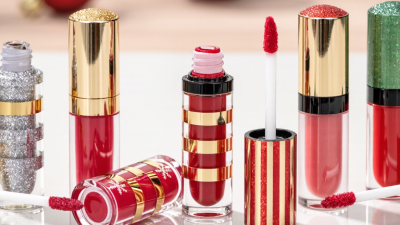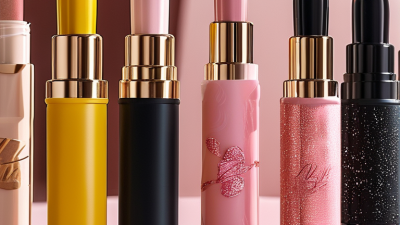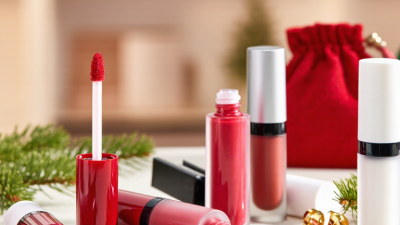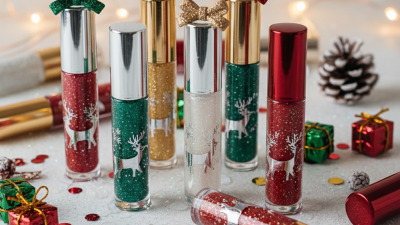
Christmas Lip Gloss Tubes do more than carry a seasonal shade. Their shape, finish, and applicator help customers judge a product before they try it. During the holiday rush, a pearlescent tube or deep-red cap can catch the eye on a crowded shelf. But appearance is only part of the decision.
Industry data offers useful context, though it cannot predict demand for a specific Christmas design. Grand View Research estimated the global cosmetic packaging market at about USD 34.3 billion in 2023, with projected annual growth of 5.4% from 2024 to 2030. McKinsey and The Business of Fashion have also described a global beauty market expected to reach roughly USD 580 billion by 2027. These broad forecasts point to a competitive category, not a guaranteed sales result. Check each report’s scope and date before using its figures in a business plan.
A practical selection process should connect packaging choices to real product needs. This guide considers tube capacity, material, applicator feel, cap security, decoration, and supplier testing. Ask how the tube handles a thicker gloss, whether the wand reaches the corners, and how printed details look under store lighting. Small details matter. A glossy finish can look festive, yet fingerprints may show quickly. A forecast cannot tell you whether a cap will loosen in a handbag. That part needs testing. Use the following outline to compare options, clarify trade-offs, and choose Christmas Lip Gloss Tubes that suit your brand, budget, and customer experience.
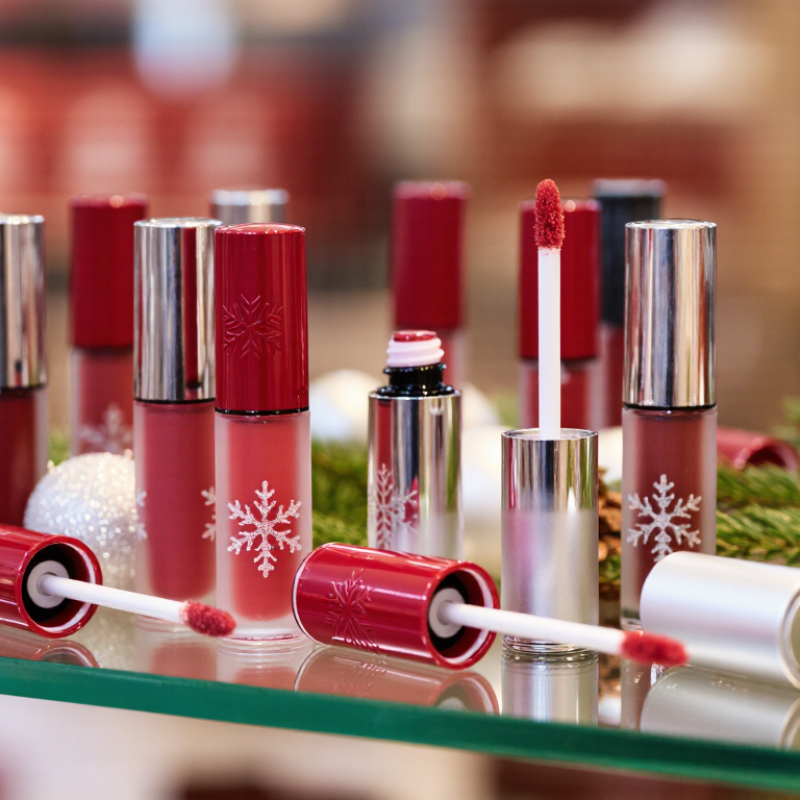
Before selecting Christmas lip gloss tubes, define the product and the way customers will use it. Set the fill volume, tube shape, and target price range. A slim tube may fit easily into a small evening bag, while a wider body gives more room for a decorative sleeve. Keep the applicator in mind, too. A doe-foot tip suits many gloss formulas, but its size and stem should be tested with the actual product.
Specify the packaging material, cap style, and color direction before requesting samples. A deep red cap or a subtle metallic finish can suggest a holiday theme without crowding the design. Check that the cap closes securely and that the tube does not leak after repeated opening. Ask for samples filled with your formula when possible; an empty tube cannot confirm compatibility, dispensing, or how the gloss looks through the wall. Not every festive idea works.
Plan artwork around the available print area and production method. Fine lettering may disappear on a curved surface, and pale ink can look different against colored plastic. Request a physical proof under ordinary indoor lighting. Decide which details are essential, such as a gift-ready finish, and which can be dropped if cost or lead time becomes tight. A large decorative charm may look appealing in a mock-up but feel awkward in daily use. Revisit that choice. Clear requirements make supplier discussions more precise and help prevent costly changes after production begins.
For a Christmas lip gloss collection, choose a tube shape that feels festive without making daily use awkward. A slim cylinder slips into a small evening bag, while a rounded tube feels softer in the hand. A snowflake-inspired cap can add seasonal detail without changing the tube itself. Small details matter. Novelty shapes may photograph beautifully, yet feel clumsy in a coat pocket; test a sample in real use before committing.
Material choice should suit both the formula and the finish you want. PET and PP are common lightweight options, while glass gives a heavier, more substantial feel. Check that the gloss does not change color or texture after contact with the packaging. Packaging teams also assess leaks, cap fit, and performance after temperature changes. A shiny surface looks appealing under holiday lights, but fingerprints can quickly make it look untidy.
The applicator affects how the product applies and how much it picks up. A flocked doe-foot tip can spread gloss smoothly, while a slimmer tip offers more control around the lip line. Match the applicator to the gloss’s thickness, then check the wiper: too tight, and it may scrape off too much product; too loose, and the wand can emerge messy. Test several samples. One small mismatch can spoil an otherwise thoughtful design.
Christmas lip gloss packaging works best when seasonal color feels intentional, not crowded. Choose a small palette, such as cranberry red, warm ivory, and a touch of metallic gold. Check the colors against the tube material, since transparent plastic can change how a shade appears. A quick print sample under both bright store lighting and soft indoor light can reveal surprises. Small details matter.
Graphics should stay clear at the tube’s actual size. A snowflake or ribbon motif may look elegant on screen but disappear when printed around a narrow cylinder. Ask for a sample with the final artwork, finish, and cap before approving production. Matte surfaces can soften bold colors, while glossy finishes make highlights more noticeable. Too many effects can compete.
Plan the full package, not just the tube. Match the cap color to one element in the artwork, and check that labels or printed text remain readable on curved surfaces. Consider how tubes will sit in cartons or display trays, including whether the decoration faces forward. Keep spare packaging parts in mind when setting seasonal quantities. Forecasts are imperfect, and excess holiday stock can be difficult to use later. A simple, well-tested design is often the safer choice.
A Christmas lip gloss tube should suit the formula, not just the holiday palette. Check that the tube, wiper, cap, and applicator work with the gloss’s thickness and oils. A formula that feels smooth on a spatula may clog a narrow opening or leave too much product on the wand. Test filled samples for leakage, discoloration, odor, and changes in texture. A pretty sample can still mislead.
Ask suppliers for material specifications and relevant safety documentation, including details for components that may contact the formula. Confirm that inks, coatings, and decorative parts are appropriate for the intended use. Run compatibility checks using the actual formula, not a substitute. Store samples under realistic conditions, such as warm shelves and cold delivery, then inspect them over time. Small print or glitter can also rub off. Check it.
Regulatory requirements vary by sales market, product type, and packaging claims. Review applicable rules for cosmetic packaging, ingredient and product labeling, warnings, and traceability before approving production. Do not assume a supplier’s general compliance statement covers every component or destination. Keep test records, specifications, and approval samples together. It is easy to overlook the cap liner during review; include it in the checklist, even when the tube body looks perfect.
U.S. MoCRA reporting and filing timelines
These U.S. MoCRA timelines are shown in approximate months for comparison: serious adverse events must be reported within 15 business days, cosmetic product listings must be updated annually, and facility registrations must be renewed biennially. They are regulatory timelines, not packaging test limits. Before selecting a tube, verify formula compatibility, leakage resistance, and component safety with documented testing.
Sources: FDA — Modernization of Cosmetics Regulation Act of 2022; FDA — Cosmetics compliance and enforcement.
For a Christmas lip gloss launch, compare suppliers using one written specification: tube capacity, material, wand shape, cap finish, decoration, and packaging. Ask for a sample with the intended components, not a similar stock tube. Check cap fit, wiper performance, print alignment, and how the tube feels when opened. Small details show up on a crowded holiday display. Request itemized prices for tooling, samples, printing, cartons, freight, and inspection. A low unit price may hide setup fees or a high minimum order. It is tempting to pick the cheapest quote, but that can be a poor trade.
Production timing needs equal scrutiny. Ask for separate dates for sample approval, component sourcing, decoration, filling, and shipment. Confirm which dates depend on your artwork or deposit. Holiday capacity tightens, and a delayed cap or printed carton can hold up the full order.
Very practical.
Get the supplier’s current lead-time range in writing, with room for revisions and transit. If your launch date is fixed, discuss simpler decoration or split shipments early. Compare payment terms, quality checks, and communication speed alongside cost.
That matters.
Written milestones help, but they are not guarantees; check progress against them.