Leave Your Message

How to Choose Christmas Lip Gloss Tubes for Wholesale?

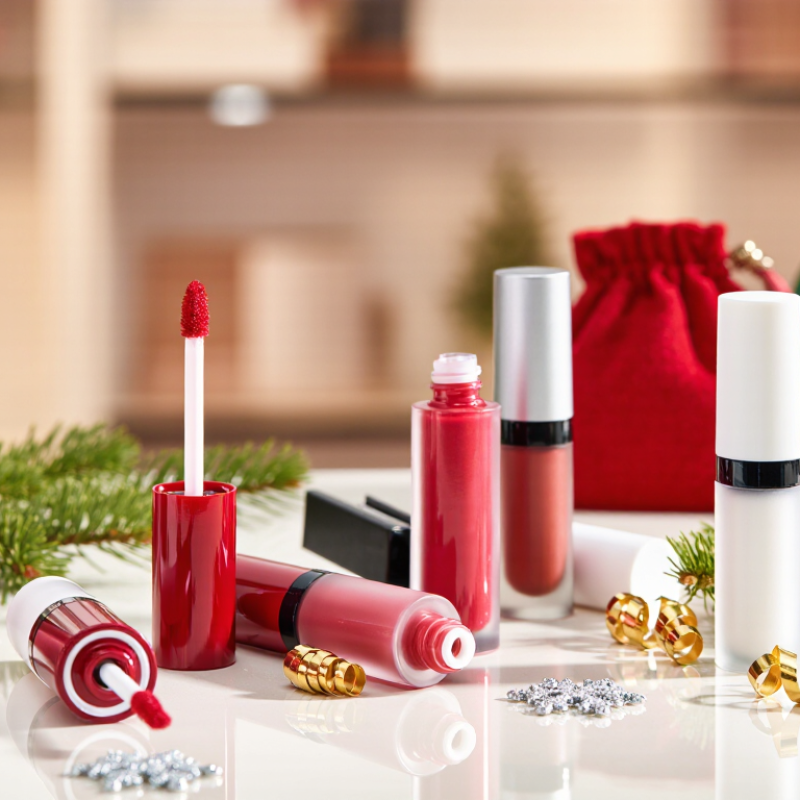
Choosing Christmas Lip Gloss Tubes for wholesale requires more than festive colors and attractive pricing. The package must protect gloss, support efficient filling, and survive transport during the busiest retail season. Grand View Research estimates that the global cosmetic packaging market will continue expanding through 2030, driven by premium presentation and convenient formats. Meanwhile, Circana reported continued growth in U.S. makeup sales, with lip products remaining important seasonal purchases. These figures suggest opportunity, but they do not guarantee profitable packaging decisions.

Packaging consultant Adam Peek describes packaging as “part of the product experience.” That principle matters when comparing Christmas Lip Gloss Tubes. A metallic red tube may photograph beautifully, yet its coating can scratch inside cartons. A clear tube reveals the shade, but light exposure may affect some formulas. Buyers should examine applicator fit, leakage resistance, decoration durability, minimum order quantity, and sample consistency. Ask for production samples.

Small details decide outcomes.

Wholesale buyers should also review recycled content, material documentation, and supplier quality controls. Sustainable packaging claims require evidence, not attractive wording. ISO 9001 certification, batch inspection records, and clear tolerance specifications can improve purchasing confidence. Still, no single tube suits every brand. A lightweight design may reduce freight costs, but it can feel less luxurious in hand. I would not treat lower unit pricing as a complete victory; hidden losses can appear through defects, delays, or unsuitable closures. The strongest selection balances holiday appearance, product safety, manufacturing reliability, and realistic customer expectations.
How to Choose Christmas Lip Gloss Tubes for Wholesale?

Understanding Christmas Lip Gloss Tubes and Their Wholesale Uses

How to Choose Christmas Lip Gloss Tubes for Wholesale?

Understanding Christmas Lip Gloss Tubes and Their Wholesale Uses

Christmas lip gloss tubes are seasonal packaging tools, not merely decorative containers. They support gift sets, party favors, holiday makeup kits, and short promotional runs. Circana’s 2024 U.S. Beauty Industry Insights report recorded 8% growth in prestige beauty sales during 2023. This suggests strong demand for attractive, gift-ready formats. However, seasonal demand can change quickly.

Wholesale buyers should examine tube capacity, applicator quality, material, decoration, and minimum order quantity. A 3–5 ml tube often suits gift sets because it looks compact and reduces product waste. PETG and polypropylene options can provide useful clarity and durability. A soft doe-foot applicator should collect gloss smoothly without flooding the lips. Test it repeatedly. One sample is not enough.

Holiday packaging needs practical testing. Fill samples with the actual gloss, then check leakage, odor, color compatibility, and cap alignment. Perform simple drop tests before confirming a large order. Metallic printing may appear festive, but it can scratch during transport. The 2024 Smithers report on global packaging trends highlights continued interest in premium, visually distinctive packaging. Still, decoration should not compromise sealing performance. Some buyers overlook carton dimensions and shipping protection. That mistake can increase breakage and freight costs. A red tube feels seasonal, yet an understated design may sell beyond December. This point deserves more reflection.

How to Choose Christmas Lip Gloss Tubes for Wholesale?

Understanding Christmas Lip Gloss Tubes and Their Wholesale Uses

Tube capacity affects product positioning and wholesale planning. Smaller 3–5 mL tubes are suitable for sample sets, gift bundles, and limited-edition Christmas collections, while 8–10 mL tubes are better suited to regular retail products. The estimated units are calculated from a 10-liter bulk volume and do not account for filling loss or production waste.

Defining Your Product, Packaging, and Seasonal Design Requirements

Choosing Christmas lip gloss tubes for wholesale starts with the product itself. A thick gloss needs a wiper that controls pickup and prevents messy overflow. A lightweight formula may need a narrower opening and a softer applicator. Confirm viscosity, oil content, and filling temperature before approving samples. I recommend testing filled tubes for leakage, odor transfer, and cap alignment. Small defects become expensive across thousands of units. The first sample looked attractive, but its wiper removed too much product. We revised it.

Packaging should protect the formula and support efficient filling. Compare tube material, wall thickness, closure torque, and applicator shape. Ask suppliers for material specifications, compatibility data, and batch traceability. These records strengthen quality decisions and support responsible market compliance. Request production samples, not only digital drawings. Check print sharpness on curved surfaces, especially around seams. A gold foil effect may fade after rubbing. That detail is easy to miss.

Seasonal design should feel festive without limiting use beyond December. Deep red, pine green, soft ivory, and restrained metallic accents create Christmas cues. Consider gift sets, hanging displays, and carton dimensions early. Confirm minimum order quantities, lead times, spare units, and decoration tolerances in writing. I would also test the design under warm warehouse lighting. Colors can shift. A playful snowflake pattern may appeal to buyers, yet it can look crowded on a narrow tube. Review real filled samples before production.

How to Choose Christmas Lip Gloss Tubes for Wholesale? — Defining Your Product, Packaging, and Seasonal Design Requirements
Requirement Area Recommended Specification Why It Matters for Wholesale Christmas Design Considerations Quality Check
Product Format Standard liquid lip gloss with a wand applicator; suitable for clear, shimmer, tinted, or glitter formulas. A common format simplifies filling, component sourcing, and retail presentation. Choose a clear tube when the gloss color, shimmer, or suspended glitter is part of the visual appeal. Confirm formula compatibility with the tube, wiper, stopper, cap, and applicator.
Fill Volume Typical retail options include 3 ml, 5 ml, and 8 ml. Smaller sizes can support gift sets and lower unit costs; larger sizes provide more product per package. Use 3–5 ml for stocking fillers, advent calendars, and multi-piece holiday sets. Verify nominal fill, usable fill, leakage performance, and the amount of headspace required by the formula.
Tube Material Cosmetic-grade PET or PP, selected according to the formula and decoration process. Material affects transparency, durability, weight, recycling options, and decoration compatibility. Clear PET creates a festive “ornament” appearance; opaque or frosted finishes offer a more premium seasonal look. Request material documentation and perform compatibility, drop, squeeze, and stress-crack testing.
Tube Shape Classic cylindrical, slim rectangular, rounded rectangular, or custom holiday silhouette. Standard shapes are generally easier to source and replenish than custom molds. For seasonal launches, use a standard tube with custom decoration unless the expected volume supports a new mold. Check that the tube stands securely and fits cartons, pouches, gift boxes, and shipping inserts.
Closure and Neck Finish Screw-on cap with a compatible neck size and a tight-fitting wiper. A secure closure helps prevent leakage during storage, fulfillment, and transport. Metal-look, pearlized, matte, or colored caps can create a festive appearance without changing the tube mold. Conduct torque, inversion, vibration, and accelerated storage tests before approving bulk production.
Applicator Doe-foot applicator for controlled coverage; consider flocked, rounded, or angled tips. The applicator affects product pickup, application comfort, and the perceived quality of the gloss. A soft, rounded tip works well for giftable everyday gloss; an angled tip can support precise application. Check stem strength, tip softness, product pickup, wiper performance, and compatibility with glitter particles.
Formula and Tube Compatibility Evaluate oils, solvents, pigments, glitter, fragrance, and active ingredients before confirming the component. Some formulas may swell, soften, discolor, or stress certain plastics, seals, or printed surfaces. Shimmer and glitter formulas should be tested for settling, clogging, and residue around the wiper and neck. Use filled samples for at least short-term stability, leakage, odor, color, and appearance checks.
Decoration Method Screen printing, hot stamping, offset printing, labeling, or full-body shrink sleeve. The method determines artwork detail, durability, color consistency, setup cost, and lead time. Metallic foil, snowflake graphics, stars, ribbons, and limited-edition color palettes communicate the holiday theme. Test rub resistance, adhesion, color accuracy, and print position on filled and capped samples.
Color Direction Use a controlled palette such as deep red, evergreen, icy white, champagne, silver, or gold. A defined palette makes a wholesale collection easier to merchandise and visually coordinate. Combine one primary holiday color with one metallic accent to avoid an overcrowded appearance. Approve physical color standards rather than relying only on digital artwork or screen previews.
Surface Finish Glossy, matte, frosted, translucent, pearlized, or soft-touch finish. Finish changes the tactile experience, visual positioning, and resistance to fingerprints or scuffing. Frosted or pearlized surfaces create an icy winter effect; glossy surfaces highlight clear and glitter formulas. Check finish uniformity, scratch resistance, cap-to-tube appearance, and compatibility with printing or foil.
Labeling and Compliance Space Reserve enough area for product identity, net contents, ingredient information, batch details, and required warnings. Seasonal graphics should not remove space needed for legally required or market-specific information. Place holiday artwork around, rather than over, the core product and regulatory information. Review the final packaging artwork against the requirements of every intended sales market.
Packaging Configuration Individual carton, multi-piece gift box, hanging card, or recyclable paper sleeve. Packaging format affects protection, shelf presentation, assembly labor, and shipping volume. Gift boxes and coordinated sleeves are suitable for holiday bundles, while individual cartons support standard retail display. Confirm carton fit, barcode placement, insert protection, compression strength, and shipping test results.
Wholesale Quantity Planning Separate the order into core evergreen components and seasonal decorative components where possible. Reusable components reduce leftover inventory risk after the holiday selling period. Keep the tube and applicator neutral if the remaining inventory may be used for future non-seasonal products. Request the minimum order quantity, sample fee, tooling cost, decoration surcharge, and reorder quantity in writing.
Production Timing Allow time for component sampling, artwork approval, decoration, filling, inspection, and freight. Holiday products have a fixed selling window and are less tolerant of delays than evergreen products. Set an internal launch deadline before the main holiday retail period to allow for customs or fulfillment delays. Obtain a production schedule with approval milestones, inspection dates, and shipment terms.
Sustainability Priorities Minimize unnecessary secondary packaging, avoid hard-to-separate material combinations, and select recyclable components where feasible. Lower packaging complexity can reduce material use, shipping weight, and disposal concerns. Use seasonal color and artwork rather than adding non-recyclable decorative attachments or oversized inserts. Confirm material composition, recycling guidance, and whether coatings, foils, labels, or sleeves affect recyclability.
Final Pre-Production Checklist Approve the filled tube, cap, applicator, decoration, carton, barcode, and shipping configuration as one complete set. Evaluating the complete package prevents issues that may not appear when components are reviewed separately. Check that the finished set communicates a consistent holiday concept across all colors and product variants. Keep a signed reference sample and approved artwork file for production and incoming inspection.
Planning note: Dimensions, fill volume, decoration, and order quantities should be confirmed with the selected packaging supplier through physical samples and formula compatibility testing before bulk production.

Comparing Tube Materials, Sizes, Closures, and Decoration Options

Choosing Christmas lip gloss tubes for wholesale requires more than a festive appearance. The material affects weight, clarity, durability, and shipping costs. PETG tubes are lightweight and resilient, while acrylic offers a more polished, glass-like appearance. Glass feels substantial, but it increases breakage risks and freight weight. I recommend testing the tube with the actual gloss formula. Some formulas may stain plastic or loosen decorative coatings. It feels premium, but performance matters more.

Size should match the intended use. A 3–5 ml tube suits gift sets and trial products. An 8–10 ml tube works better for regular retail use. Larger tubes may look generous, yet they can increase product waste and packaging volume. Closure choices also shape the user experience. Screw caps provide familiar handling, while wand applicators support precise application. A reliable inner stopper helps control product flow. Test it filled. Small details matter.

Decoration can create a Christmas mood through metallic stamping, frosted surfaces, screen printing, or seasonal color blocks. Snowflake patterns and deep red accents are visually clear without becoming excessive. Before approving a large order, check color consistency across samples, cap alignment, print adhesion, and leakage after temperature changes. I once favored a highly reflective finish because it photographed well. It showed fingerprints easily in real use. That experience still makes me question attractive samples that have not faced practical handling. Wholesale buyers should request production samples, packaging specifications, and quality records before confirming quantities.

Evaluating Suppliers, Quality Standards, Pricing, and Minimum Order Quantities

How to Choose Christmas Lip Gloss Tubes for Wholesale?

Christmas lip gloss tubes need more than festive colors. Suppliers should provide material declarations, batch traceability, and production samples. Polypropylene and PET are common choices, but formula compatibility still requires testing. Check leakage, odor, color transfer, cap fit, and applicator performance. ISO 22716 offers useful guidance for cosmetic manufacturing quality systems. Grand View Research valued the global cosmetic packaging market at approximately USD 32 billion in 2023, showing strong demand but also intense supplier competition.

Request a quotation with mold fees, decoration costs, packing details, and shipping terms separated. Pricing can look attractive until printing plates or inner plugs appear as extra charges. Compare the cost per usable tube, not only the unit price. McKinsey reported that the global beauty market could reach about USD 590 billion by 2028. Seasonal packaging therefore needs dependable delivery, especially before holiday promotions. Minimum order quantities deserve equal attention. A 10,000-piece MOQ may reduce unit cost, but leftover stock can damage cash flow. Sometimes, a smaller order is financially wiser.

Tips: Ask for 300 to 500 samples from one production batch. Perform a 24-hour leak test, drop test, and repeated cap-opening test. Keep retained samples for comparison. A perfect-looking tube can still fail after filling. I have seen color shades vary between batches, even with approved artwork. That weakness should be discussed openly. Choose a supplier willing to sign clear specifications, inspection standards, defect limits, and replacement terms. Samples reduce risk, but they never remove it.

Checking Samples, Customization Details, Delivery Plans, and Compliance

How to Choose Christmas Lip Gloss Tubes for Wholesale?

Christmas lip gloss tubes need more than seasonal colors and glitter. Start with physical samples, not catalogue images. Check the applicator’s wiping action, cap fit, brush softness, and tube transparency. Fill a sample with your actual gloss. Store it upright and sideways for two weeks. Inspect leakage, odor, color change, and formula separation. This practical test can reveal failures that photographs hide. Grand View Research valued the global cosmetic packaging market at approximately $32.03 billion in 2023, showing the scale of this packaging category.

Customization should cover decoration, dimensions, material, and closure details. Ask whether printing remains sharp after alcohol-wipe testing. Request ink and component declarations. A supplier should confirm minimum order quantities, proofing time, mold charges, and acceptable color tolerance. Holiday launches are time-sensitive. Circana reported an 8% increase in U.S. prestige beauty sales during 2023, which suggests strong competition for seasonal attention. Still, rushing artwork can create expensive rework. I have seen attractive samples fail because the cap thread was slightly misaligned.

Tips: Approve a signed golden sample. Request a production timeline with buffer days. Confirm carton dimensions before booking freight. For compliance, collect material specifications, batch traceability, migration information, and cosmetic GMP evidence such as ISO 22716 records. Check destination requirements, including EU Cosmetics Regulation 1223/2009 or applicable U.S. FDA obligations. Ask for test reports, not promises. Do not skip this. A recyclable-looking tube is not automatically recyclable locally.