Leave Your Message

What Is a Body Balm Stick and How Does It Work?

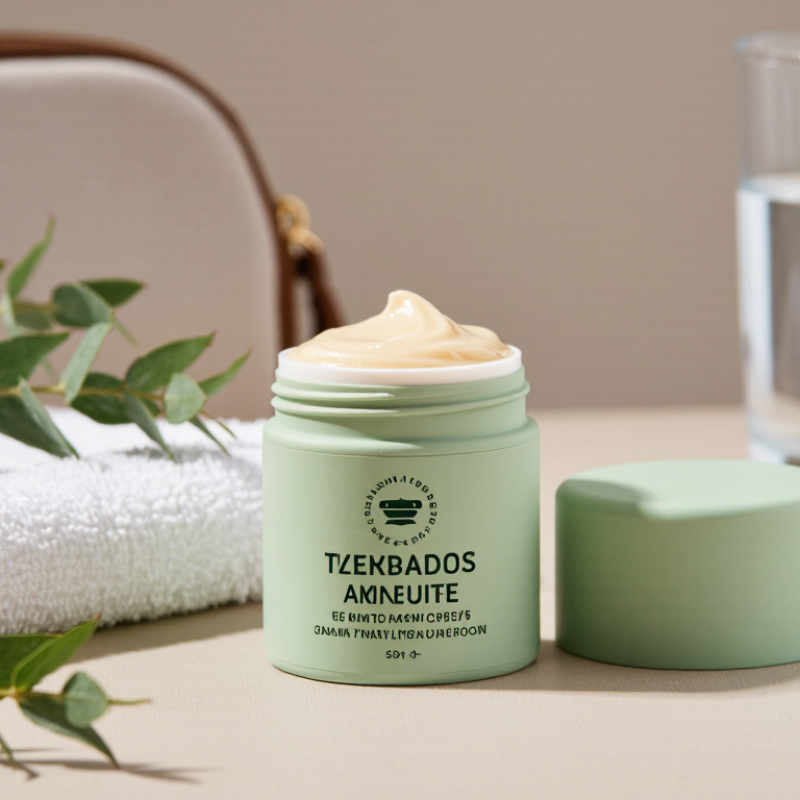
A Body Balm Stick is a solid, water-free moisturizer designed for direct application. It usually combines plant oils, butters, waxes, and skin-conditioning agents. When warmed by body heat, the stick melts into a thin, protective layer. Imagine a firm bar gliding over a dry elbow, leaving a soft sheen instead of a dripping cream.

The opportunity reflects wider skincare demand. Grand View Research valued the global skincare products market at approximately $155.7 billion in 2022. Its report also projects continued growth through 2030. Euromonitor International has separately identified convenience, portability, and multifunctional beauty products as important consumer trends. These findings help explain why balm sticks appear in travel kits, gym bags, and bedside drawers. Still, market growth does not prove every formula works equally well.

Cosmetic chemist Perry Romanowski describes balms as “typically anhydrous products made with oils, butters, and waxes.” That formulation principle explains their compact texture and water-resistant feel. A Body Balm Stick can reduce friction and support the skin barrier, especially on rough areas such as knees, heels, and cuticles. It is not magic. It may also feel too heavy for some users, particularly in humid weather. Ingredient quality, packaging hygiene, and personal skin sensitivity matter. This guide examines how the formula works, what it can realistically do, and where its promises deserve closer inspection.
What Is a Body Balm Stick and How Does It Work?

Body Balm Stick Basics: A Waterless Solid of Waxes, Oils, and Butters

What Is a Body Balm Stick and How Does It Work?

Body Balm Stick Basics: A Waterless Solid of Waxes, Oils, and Butters

A body balm stick is a solid moisturizer designed for direct application. Unlike lotion, it contains little or no water. Its structure comes from waxes, plant oils, and rich butters. Waxes give the stick shape and help it glide without dripping. Oils soften rough areas, while butters add a dense, cushion-like feel. It feels simple. The formula is not.

Body heat gently softens the balm during application. A thin layer then spreads across the skin, helping reduce water loss from the surface. Oils and butters also improve slip and leave a protective finish. However, a waterless balm does not add much water to dry skin. Applying it after bathing, while skin remains slightly damp, usually makes more sense. This detail is easy to overlook.

Use the stick on elbows, knees, heels, hands, or other dry patches. Apply light pressure and build gradually. Too much product can feel greasy and may transfer onto clothing. Keep the surface clean, especially when applying it near irritated areas. Avoid using it on broken skin unless a qualified healthcare professional advises otherwise. Fragrance and botanical ingredients can still cause sensitivity, so a small patch test is sensible. Results also vary with climate, skin type, and the formula’s wax-to-oil balance. A firmer stick is not automatically better. Sometimes it simply feels harder to spread.
Formula Science: Petrolatum May Reduce TEWL by Up to 98%

What Is a Body Balm Stick and How Does It Work?

A body balm stick is a solid, water-free moisturizer designed for direct application. Its waxes give structure, while oils improve glide across dry skin. Petrolatum forms the key protective layer. It sits on the surface and slows water escape from the stratum corneum.

The number is striking. A study in the Journal of the American Academy of Dermatology reported that petrolatum may reduce transepidermal water loss, or TEWL, by up to 98% under tested conditions. TEWL measures how quickly moisture leaves the skin. Lower loss can make rough elbows, cracked knuckles, and flaky shins feel more comfortable. The Cosmetic Ingredient Review has also assessed petrolatum as safe for cosmetic use when properly refined.

A balm stick works best on slightly damp skin. Glide it over one small area, then press gently instead of rubbing hard. The finish may feel heavy. That is not necessarily a flaw; the occlusive film is doing physical work. Still, the 98% figure should not be treated as a universal promise. Results depend on skin condition, product concentration, climate, and application thickness. A thin swipe may protect less than a generous layer. Perhaps that is the practical detail many formulas overlook.

Skin Barrier Context: The Stratum Corneum Is About 10–20 μm Thick

A body balm stick is a solid moisturizer designed for direct, controlled application. It usually contains oils, waxes, butters, and skin-softening agents. Contact with warm skin helps the balm melt and spread. The result is a thin film that reduces friction and slows moisture loss.

The stratum corneum, the outermost skin layer, is only about 10–20 μm thick. It is remarkably thin. This layer contains flattened corneocytes surrounded by lipids, often compared with bricks and mortar. That structure helps limit transepidermal water loss and blocks some irritants. A balm stick mainly supports this surface system. Its oily and waxy ingredients can fill rough spaces temporarily, making dry skin feel smoother. They do not rebuild the entire barrier overnight.

In practical use, apply the stick to clean, slightly damp areas, such as elbows, knees, and shins. A small amount is usually enough. Heavy application may feel sticky or trap heat, especially in humid weather. Skin can also react to fragrance, botanical extracts, or preservatives, even in a rinse-free product. The term “barrier repair” can sound too simple. Dryness may involve weather, cleansing habits, eczema, or medication. I would not treat one comfortable application as proof of complete repair. If cracking, burning, or persistent redness continues, professional assessment is more reliable than adding thicker layers.

Skin Barrier Context: Approximate Thickness of Skin Layers

The stratum corneum is the outermost layer of the epidermis and is typically about 10–20 μm thick. Its compact corneocytes and lipid matrix help reduce water loss, while a body balm stick forms an additional emollient layer on the skin surface.

Approximate ranges are shown in micrometers (μm) and can vary by body site, age, and measurement method. The dermis is substantially thicker than the epidermis and stratum corneum.

From Swipe to Melt: How Body Heat Softens Balm for Targeted Application

A body balm stick is a solid moisturizer designed for direct, targeted application. It usually contains oils, waxes, and skin-softening ingredients. Unlike a liquid lotion, the balm stays firm until it meets warm skin.

The change begins with body heat. When the stick touches your wrist, elbow, or heel, its surface slowly softens. A light swipe creates a thin, glossy layer. More pressure releases more product, although that is easy to overdo. I learned this after leaving a greasy stripe across my arm.

Short strokes work best.

Use the stick on dry areas that need focused care, such as knuckles, knees, ankles, or cuticles. Massage the balm with clean fingers if the layer feels uneven. This spreads warmth across the surface and helps the oils sit comfortably on the skin. Experienced formulators balance firmness with spreadability, because a balm that melts too quickly may feel messy, while one that stays hard can drag.

Apply it to clean, intact skin and avoid irritated areas. A small patch test can reveal sensitivity before wider use. Keep the cap closed and store the stick away from strong heat, since a warm bathroom may soften it excessively. Body heat improves control, but it does not make every formula suitable for every skin type.

What Is a Body Balm Stick and How Does It Work? — From Swipe to Melt: How Body Heat Softens Balm for Targeted Application

Dimension What Happens How It Works Practical Application
Product format A body balm stick is a solid, portable moisturizer packaged in a twist-up or push-up container. The formula combines oil-based emollients, butters, and structuring waxes to maintain a solid shape. It can be applied directly to selected areas without using hands or dispensing a liquid.
Initial swipe A thin layer transfers from the stick onto the skin through light pressure and movement. Friction and contact with warmer skin soften the outer surface of the balm, allowing it to glide. Use short, controlled strokes rather than pressing hard, especially on delicate or irritated areas.
Body-heat response The contacted layer becomes softer and more spreadable after several passes. Skin is generally warmer than the stored product, so heat reduces the firmness of temperature-sensitive oils, butters, and waxes. Warm the stick with one or two light swipes before building coverage gradually.
Melt behavior The balm usually softens at the surface rather than becoming completely liquid during normal use. Softening depends on the formula’s wax-to-oil ratio, ingredient melting ranges, and storage temperature. A softer finish is more likely in warm conditions; keep the container away from excessive heat to help preserve its shape.
Occlusive effect A protective film may remain on the skin after the balm is spread. Waxes and oil-rich ingredients can reduce the rate at which water escapes from the outer skin layer. Apply after bathing or handwashing while skin is slightly damp to help seal in existing moisture.
Targeted application The solid format places product precisely on dry patches, elbows, knees, heels, cuticles, or other small areas. The narrow surface area limits unnecessary product spread compared with applying lotion over a larger region. Use a small amount first, then massage the residue into the surrounding skin with clean hands.
Texture after blending The finish can range from cushiony and protective to light and nearly dry, depending on the formula. More wax and heavier oils generally increase firmness and film-forming feel, while lighter esters can improve glide. Allow a few minutes for the surface feel to settle before dressing or touching fabrics.
Best-use areas Small, frequently dry areas benefit most from the concentrated format. The balm delivers a localized layer without requiring a pump, jar, or large amount of product. Common uses include elbows, knees, knuckles, heels, cuticles, and dry patches on the body.
Storage and hygiene The stick is protected inside its container, but the applicator still contacts skin directly. A closed package reduces exposure to air and handling compared with an open jar, while direct contact can transfer surface residue. Keep the cap closed, avoid sharing, and wipe the exposed surface if visible dirt or fibers collect on it.

Note: Softness, glide, finish, and melting behavior vary with the specific balance of oils, butters, waxes, and other formula components.

Safe Use and Claims: Patch Testing, Allergen Labels, and SPF Regulations

What Is a Body Balm Stick and How Does It Work?

A body balm stick melts slightly against warm skin. Waxes, oils, and butters then form a breathable-feeling protective layer. This layer can reduce moisture loss on elbows, heels, and dry knuckles. However, “natural” ingredients can still trigger irritation or allergy. Fragrance components, essential oils, and preservatives deserve careful attention.

Patch test first. Apply a small amount to the inner forearm for several days. The American Contact Dermatitis Society identifies fragrance ingredients among frequent causes of contact allergy. A patch test lowers risk, but it cannot guarantee full-body tolerance. Stop using the product if burning, swelling, or persistent redness appears. My cautious view: a tiny test area is useful, yet it is not a medical diagnosis. People with eczema or previous allergies should ask a qualified clinician.

Read the allergen label, not only the front claim. In the European Union, 26 fragrance allergens have traditionally required individual declaration above set concentrations, with expanded requirements applying under newer rules.

For SPF claims, a balm stick must meet local sunscreen testing and labeling rules. The United States FDA treats sunscreen products as over-the-counter drugs, and its proposed 2021 order addressed SPF testing, broad-spectrum protection, and maximum labeled SPF values. In the EU, UVA protection should be at least one-third of the labeled SPF.

Reapply after sweating, swimming, or towel drying. A stick can miss narrow areas. That matters.