2026 Top Trends in Cardboard Lipstick Tubes Optimizing Sustainable Beauty Packaging?
As the beauty industry shifts towards sustainability, the spotlight is on innovative packaging solutions. One standout solution is Cardboard Lipstick Tubes. Industry expert Sarah Lee states, "Sustainable packaging is the future of beauty; it’s where consumer demand is heading." These tubes are gaining attention for their eco-friendly materials.
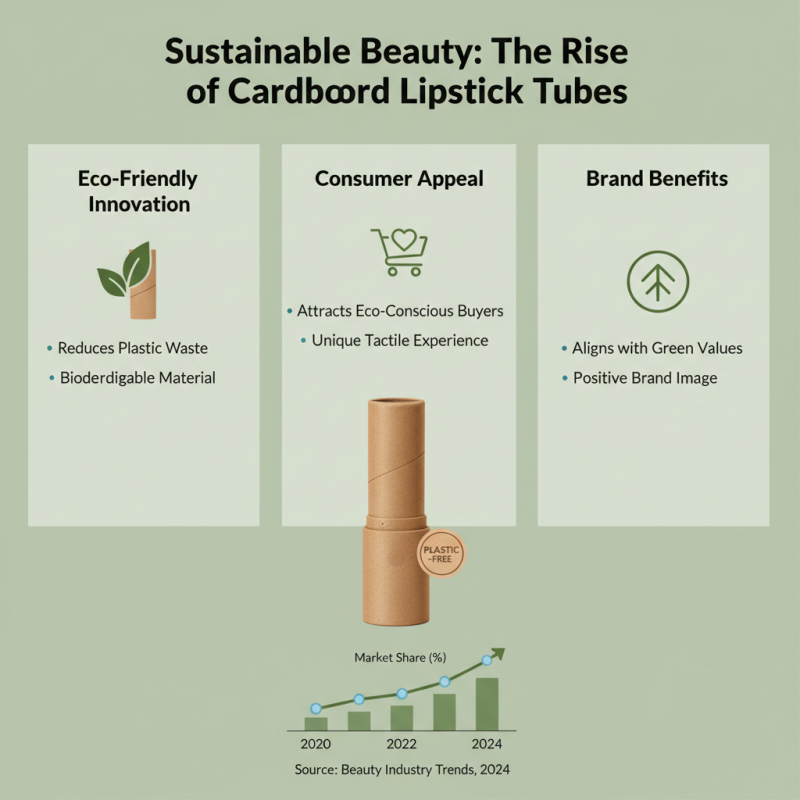
Consumers are becoming more conscious of their choices. They seek packaging that reflects their values. Cardboard Lipstick Tubes not only reduce plastic waste but also resonate with this growing eco-conscious mindset. However, challenges remain. Brands must create tubes that maintain product integrity while being sustainable.
Some companies have struggled to balance aesthetics and functionality. The design often compromises the user experience. This ongoing conversation about sustainability and beauty packaging invites reflection. Can we truly have the best of both worlds? Cardboard Lipstick Tubes urge us to rethink our environmental impact and our beauty rituals.
Emergence of Cardboard Lipstick Tubes in Sustainable Beauty Packaging
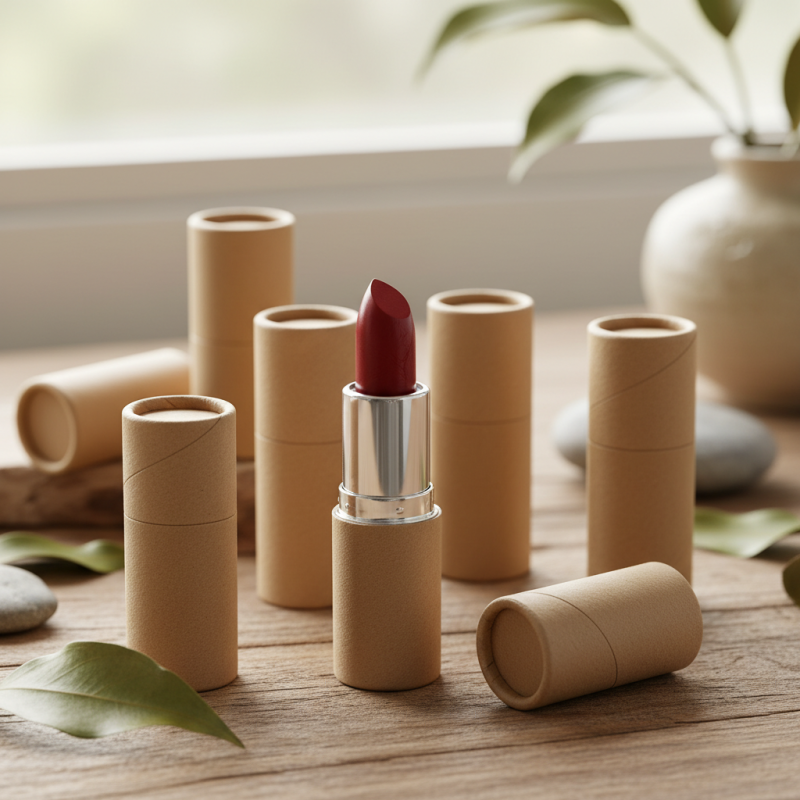
The rise of cardboard lipstick tubes marks a significant shift in sustainable beauty packaging. This innovation is gaining traction as brands seek eco-friendly alternatives. Cardboard tubes not only reduce plastic waste but also resonate with eco-conscious consumers. The texture and design of these tubes can be appealing, offering a unique tactile experience.
However, there are challenges to consider. Cardboard tubes must maintain the integrity of the product inside. Maintaining moisture and preventing product degradation is crucial. Some designs might not securely hold the lipstick, posing usability issues. Furthermore, consumers may have preconceptions about the durability of cardboard compared to traditional materials.
Moreover, the manufacturing process needs careful evaluation. It's important to consider sourcing sustainable materials. Brands need to ensure that the entire lifecycle of the product is eco-friendly. Packaging that is truly sustainable should balance aesthetic appeal with environmental responsibility. It's an evolving space with room for innovation and improvement.
Key Benefits of Using Cardboard Over Traditional Lipstick Packaging
The shift towards sustainable beauty packaging has gained momentum, and cardboard lipstick tubes are at the forefront. According to a recent report by Grand View Research, the sustainable packaging market is projected to reach USD 400 billion by 2026. This trend reflects consumer preferences for eco-friendly alternatives. Using cardboard over traditional plastic reduces environmental impact significantly.
Cardboard tubes are biodegradable. Unlike plastic, which can take hundreds of years to decompose, cardboard breaks down within months. Additionally, cardboard is often made from recycled materials, which lessens the demand for virgin resources. This is crucial as over 300 million tons of plastic waste is generated globally each year. By switching to cardboard, brands can contribute to decreasing waste.
However, there are challenges. Cardboard packaging may not offer the same durability as plastic. This can affect the product's shelf life or usability. Brands must find innovative ways to enhance the functionality of cardboard. The initial cost of producing cardboard tubes can also be higher. Yet, these obstacles are worth consideration, as the long-term benefits of sustainability might outweigh short-term challenges.
Innovative Designs and Technologies in Cardboard Lipstick Tubes
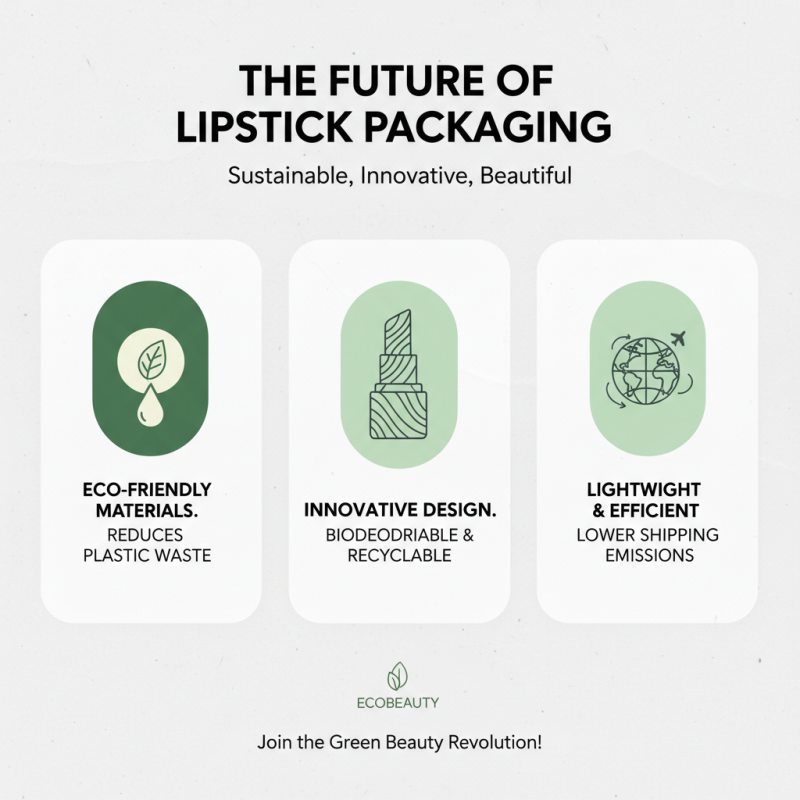
Innovative designs and technologies in cardboard lipstick tubes are shaping the future of sustainable beauty packaging. Brands are now focusing on eco-friendly materials. Cardboard tubes reduce plastic waste significantly. They are lightweight and easy to transport, which cuts down carbon emissions during shipping.
In 2026, we can expect to see even more creative designs. Some tubes may incorporate biodegradable laminates. Others will feature clever reusability options. The idea is to blend functionality with aesthetics. This approach can lead to unique product experiences. However, challenges remain in ensuring durability and moisture resistance of cardboard.
Tip: Consider using tubes with a twist mechanism for easy application. Another idea is to explore tubes with refill options, encouraging a circular economy. Keep an eye out for innovations that prioritize both style and eco-friendliness. Lastly, be prepared for some trial and error as brands perfect their designs. Sustainability in beauty packaging is still an evolving journey.
Consumer Awareness and Demand for Eco-Friendly Beauty Products
Consumer awareness is evolving. A recent report shows that 72% of beauty buyers prefer eco-friendly products. Sustainability drives choices now more than ever. Cardboard lipstick tubes offer a green alternative. They are biodegradable and reduce plastic waste significantly. As consumers become more conscious, brands must innovate.
Tips: Consider the production impact. Seek suppliers who prioritize sustainable materials. Look for certifications that guarantee eco-friendliness.
The demand for green packaging is real. Industry studies suggest that 67% of consumers are willing to pay more for sustainable options. However, not all brands are keeping up. Some still use conventional materials without considering the environmental costs. This creates a good opportunity for those willing to reflect and adapt.
Tips: Engage with customers about their preferences. Conduct surveys to understand the market. Transparency builds trust.
2026 Trends in Eco-Friendly Beauty Packaging
Future Prospects for Cardboard Lipstick Tubes in the Beauty Industry
The beauty industry is evolving rapidly, driven by consumers’ demand for sustainability. Cardboard lipstick tubes are emerging as a significant trend within this shift. A recent report suggests that the global demand for sustainable beauty packaging will exceed $20 billion by 2026. This growth indicates a strong inclination toward eco-friendly materials.
Cardboard packaging provides an environmentally conscious alternative to traditional plastic tubes. These tubes are biodegradable and often sourced from recycled materials. While the aesthetic appeal of cardboard may not match that of plastic, innovative designs are evolving. Brands are experimenting with textures, colors, and finishes to enhance visual appeal. However, transitioning to cardboard isn't without its challenges. Some products may face durability issues, which can impact customer perception.
In-depth research indicates that over 30% of consumers would switch to brands using sustainable packaging, even at a higher price point. This statistic highlights the potential for cardboard lipstick tubes to resonate with conscious buyers. Yet, the industry must address production efficiency and cost implications. The journey toward fully sustainable packaging is complex. It requires careful consideration and collaboration among stakeholders.
2026 Top Trends in Cardboard Lipstick Tubes Optimizing Sustainable Beauty Packaging
| Trend |
Description |
Impact on Sustainability |
Adoption Rate (%) |
| Biodegradable Materials |
Using materials that break down naturally in the environment. |
Significantly reduces landfill waste and pollution. |
75% |
| Recycled Content |
Incorporating recycled materials into packaging design. |
Helps to reduce resource consumption and supports recycling initiatives. |
65% |
| Minimalist Design |
Simplicity in packaging to reduce material usage. |
Less material leads to lower environmental impact. |
70% |
| Seed-Embedded Packaging |
Packaging that can be planted to grow flowers or trees. |
Encourages biodiversity and beautifies the environment. |
50% |
| Assistive Packaging Innovations |
Design features that improve accessibility for all users. |
Promotes inclusivity and usability, reducing waste by increasing product lifespan. |
45% |