How to Choose the Best Chapped Lips Stick for Dry Lips?
Choosing the right Chapped Lips Stick can significantly improve your comfort and appearance. With countless options available, it’s crucial to understand what makes a good lip balm. Some products claim to be the best, but do they really deliver? Evaluating ingredient lists is essential. Look for natural hydrators like beeswax or shea butter. These can provide a protective barrier against harsh elements.
You may find yourself overwhelmed by scent, flavor, and texture options. Some people prefer a glossy finish, while others want a matte look. Experimenting with different products can lead to surprises. Not every Chapped Lips Stick works the same for everyone. What soothes one person may irritate another. Listen to your lips to understand their needs.
Stay informed about brands that prioritize safe ingredients. Trusted brands often provide transparency in their formulations. It's wise to avoid those with artificial fragrances or harmful chemicals. Reliable recommendations can guide your choices. However, finding the perfect fit may require patience and reflection on past experiences.
Understanding Chapped Lips: Causes and Symptoms
Chapped lips are a common issue that many people face, especially during winter or in dry climates. They can be painful and uncomfortable, affecting your daily activities. Understanding the causes is crucial for prevention and treatment. Dry air, dehydration, and excessive lip licking are key contributors. Sun exposure can also lead to chapping.
Symptoms of chapped lips include redness, cracking, and peeling skin. Sometimes, the discomfort can extend to the corners of the mouth. It's easy to overlook how these factors affect the skin. People often ignore the importance of hydration, both inside and out. Maintaining adequate fluid intake is essential, yet many still fall short.
Another common mistake is choosing the wrong lip balm. Many products contain irritating ingredients that can worsen the condition. Look for balms with natural oils and butters. In some cases, people may experience a cycle of dryness due to using ineffective products. Reflecting on these choices can lead to better care routines. Understanding your lips' needs is vital for healing.
Key Ingredients to Look for in Lip Balm for Dry Lips
When selecting a lip balm for dry lips, focus on essential ingredients that provide comfort and hydration. Look for products containing natural oils. Ingredients like coconut oil, jojoba oil, and almond oil are excellent at sealing moisture. They penetrate the skin and create a protective barrier. These oils also nourish your lips, leaving them feeling soft.
Another important ingredient is shea butter. It has moisturizing properties and is rich in vitamins. Shea butter can soothe cracked lips and enhance healing. Similarly, beeswax acts as a natural emollient. It helps retain moisture while giving your balm a thicker consistency. This combination offers long-lasting effects, which is essential for dry environments.
Tips: Always check for added fragrances or dyes. These can irritate sensitive skin. Moreover, keep your balm in a cool place. Heat can degrade its quality over time. If your lips frequently become dry, consider drinking more water daily. Hydration starts from within, and it’s easy to neglect this vital step.
Types of Lip Balms: Choosing the Right Formula for Your Needs
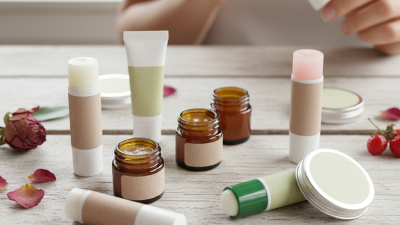
When selecting the right lip balm, understanding the various types is crucial. Lip balms typically fall into categories based on their primary ingredients. For instance, waxy balms often contain beeswax or paraffin. These create a protective barrier on lips. They can seal in moisture effectively. However, they may feel heavy or greasy for some users.
Oil-based balms, on the other hand, often include ingredients like coconut oil or almond oil. These products provide deep hydration. They penetrate the skin better but might require more frequent reapplication. According to a report by Market Research Future, the global lip care market is expected to reach $2.65 billion by 2025. This demand highlights the importance of choosing the right formulation for individual needs.
Another consideration is the presence of active ingredients. Some balms contain SPF to protect against sun damage. Others include nourishing agents like vitamin E or aloe vera for healing. However, some products may irritate rather than soothe, especially for sensitive skin. A survey conducted by the American Academy of Dermatology revealed that 30% of individuals experience reactions to lip products. Therefore, testing before fully committing to a product is wise.
How to Test Lip Balms: Patch Testing for Sensitivities
Testing lip balms for sensitivities is crucial for skincare. Many people experience irritation from ingredients in these products. Research indicates that about 60% of individuals report allergic reactions to at least one cosmetic item, including lip balms. Therefore, patch testing is highly recommended. This method helps identify potential allergens before applying a product on your lips.
To perform a patch test, apply a small amount of the lip balm on a discreet skin area, such as the inside of the wrist. Wait 24 to 48 hours for any reaction. Look for signs of redness, swelling, or itching. If reactions occur, it’s wise to avoid using that product on your lips. Studies have shown that common allergens include fragrances, preservatives, and certain oils.
Testing ensures a product is safe for you. However, remember that not all sensitivities are immediate. Some reactions may develop over time. It’s essential to stay aware of your skin's behavior after introducing a new product. Keeping a diary of reactions can help you track sensitivities effectively.
How to Choose the Best Chapped Lips Stick for Dry Lips? - How to Test Lip Balms: Patch Testing for Sensitivities
| Ingredient |
Benefit |
Suitable for Sensitive Skin |
Patch Test Required |
| Shea Butter |
Deeply moisturizing, helps restore skin barrier |
Yes |
No |
| Coconut Oil |
Hydrating and anti-inflammatory properties |
Yes |
No |
| Beeswax |
Forms a protective barrier on lips |
Generally |
Yes |
| Lanolin |
Highly moisturizing, prevents moisture loss |
Not for everyone |
Yes |
| Vitamin E |
Antioxidant that helps heal and repair skin |
Yes |
No |
Application Tips: How to Use Lip Balm for Maximum Effectiveness
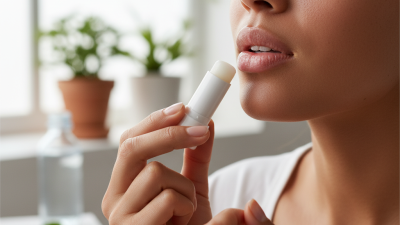
When applying lip balm, technique matters. Start by ensuring your lips are clean and dry. Gently exfoliate your lips if they feel very rough. Use a soft toothbrush or a sugar scrub for this. This step helps remove dead skin, allowing products to penetrate better.
Thin layers work best. Apply a small amount of balm, focusing on the center of your lips. Move outward towards the edges. Rubbing too much can lead to irritation. Allow the balm to absorb for a moment before adding another layer.
Keeping your lips hydrated requires more than just balm. Drink plenty of water throughout the day. Protect your lips from harsh weather by wearing a scarf in cold climates. Regularly check for signs of dryness. Adjust your application based on the season. Keeping a balm handy can help alleviate chapped lips anytime, but it's essential to listen to your lips’ needs.
Best Ingredients for Chapped Lips Stick
This chart illustrates the effectiveness ratings of popular ingredients commonly found in lip balms. A higher rating indicates better hydration and protection properties for dry lips. Consider these ingredients when choosing the best chapped lips stick for maximum effectiveness.