Best Body Balm Stick Options for Global Buyers?
Body Balm Stick products have gained popularity among consumers worldwide. These handy sticks offer a convenient solution for dryness and irritation. Many brands claim to provide a moisturizing effect, but not all are created equal. Consumers must choose wisely to ensure they get quality products.
When exploring the best Body Balm Stick options, it's essential to consider ingredients. Some sticks use natural, nourishing elements, while others rely on synthetic fillers. Understanding the difference is crucial for making informed choices. Additionally, different skin types may react uniquely to certain components. This complexity calls for careful evaluation.
Furthermore, while many Body Balm Sticks promise rapid relief, results can vary. User reviews often highlight inconsistent experiences. Some find a stick effective, while others may feel disappointed. This variability urges buyers to reflect on their needs and expectations before making a purchase. Ultimately, a thoughtful approach can lead to the perfect Body Balm Stick for your skin.
Overview of Body Balm Sticks: What to Look For
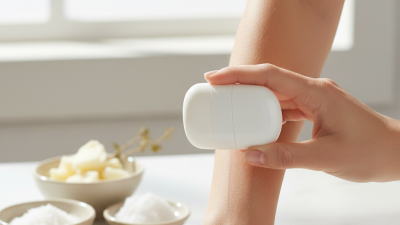
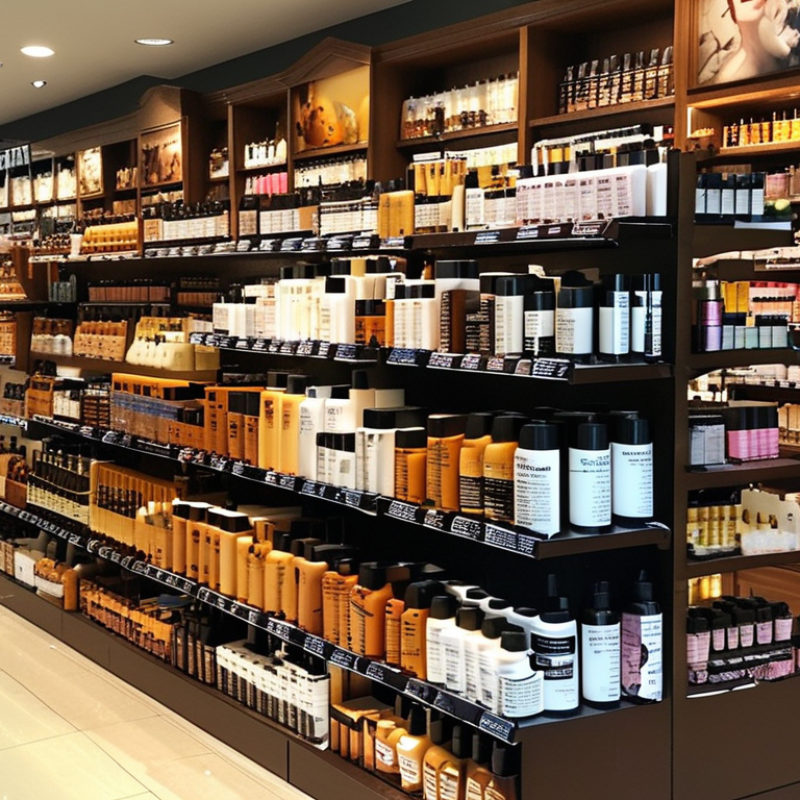
When choosing a body balm stick, consider key factors such as formulation and skin type compatibility. Look for ingredients like shea butter and natural oils. These ingredients are known for their moisturizing properties. Avoid overly synthetic components as they may irritate sensitive skin.
Texture matters greatly. A balm stick should glide smoothly over the skin. Test different options for the best feel. Some balms might leave a greasy residue, which can be uncomfortable. You want a product that absorbs well and feels light.
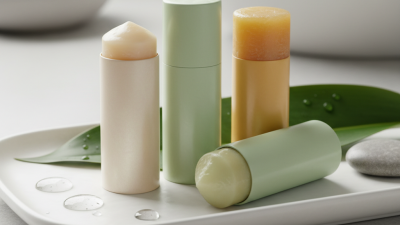
Check for packaging details too. A sturdy, portable design is essential for on-the-go applications. The stick should twist easily and dispense product without breaking. User reviews can provide insights into reliability. Reflect on your personal preferences and needs. Everyone’s skin is different, so what works for one may not work for another.
Top Ingredients in Body Balm Sticks for Effective Skin Care
When selecting body balm sticks, the ingredients play a crucial role in their effectiveness. Ingredients such as shea butter and coconut oil are popular choices. They deeply moisturize the skin and create a protective barrier. Many users appreciate how quickly these ingredients absorb, leaving no greasy residue. However, not all skin types respond well to these oils. Some may find them too heavy, leading to breakouts or irritation.
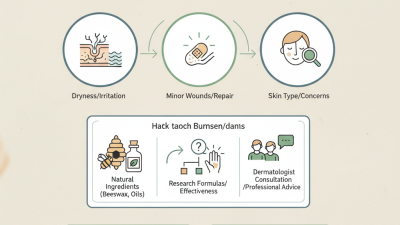
Natural oils like jojoba or almond oil are also great options. These oils closely resemble the skin’s natural sebum and can balance oil production. Beeswax is another key ingredient. It locks in moisture and can help heal minor skin irritations. Yet, it may cause sensitivity in some people. Reading ingredient labels is essential for understanding what suits your skin best.
Vitamin E is a potent antioxidant frequently found in body balms. It nourishes and protects skin from environmental damage. However, it’s not universally effective. Some individuals may have allergic reactions to this vitamin. Always conduct a patch test before committing to a new product. Each person's skin is unique, and what works for one may not work for another. Choosing the right ingredients is a process that requires patience and experimentation.
Comparison of Popular Body Balm Stick Brands Worldwide
The global market for body balm sticks has seen rapid growth in recent years. According to a report by Grand View Research, the skincare segment is expected to reach over $200 billion by 2025. Within this market, balm sticks hold a special place. They offer convenience and portability, making them popular among consumers looking for on-the-go solutions.
When comparing popular brands, key factors emerge. Ingredients play a significant role; natural formulations often attract environmentally-conscious buyers. A survey by Statista indicates that 70% of consumers prefer products free from synthetic chemicals. This poses a challenge for brands to balance efficacy with consumer safety. Pricing also varies, with premium products often justified by superior ingredients or packaging quality.
While many options seem appealing, buyers should assess their specific needs. Some users report that certain balms can feel greasy or leave residue on the skin. Additionally, scent can be polarizing; a fragrance that delights one individual may be off-putting to another. This subjectivity complicates the selection process, highlighting the importance of personal testing.
User Reviews and Feedback on Leading Body Balm Stick Options
When it comes to choosing a body balm stick, user reviews provide valuable insights. Many users appreciate options that offer deep hydration and a smooth application. However, some have noted that certain balms can feel greasy. It highlights the importance of selecting products based on personal preference and skin type.
Feedback often emphasizes fragrance preferences. Some users love scented balms for a refreshing experience. Others prefer unscented options, especially those with sensitive skin. While scent can enhance use, it might not suit everyone. Consider trying samples before committing to a larger purchase.
Tips for an effective selection include checking ingredient lists carefully. Look for natural ingredients that suit your skin's needs. Also, consider the stick size; portability matters for on-the-go applications. Remember, user experiences can vary. One person's favorite may not work for another. Be open to experimenting to find your best match.
Sustainability and Eco-Friendliness in Body Balm Stick Selection
When choosing a body balm stick, sustainability and eco-friendliness are essential factors. Recent industry reports indicate that 66% of global consumers prioritize eco-conscious products. This illustrates a growing trend toward environmentally responsible purchasing. Today, more buyers evaluate ingredient sourcing, packaging materials, and product lifecycle.
Many body balm sticks utilize natural ingredients, but sourcing is critical. Fair trade oils and organic plant extracts are not just buzzwords. They hold significant weight in consumer decisions. Studies show that over 50% of shoppers would pay more for products with sustainable sourcing. Transparent labeling helps consumers make informed choices. This awareness can lead to entirely new market dynamics.
However, there are challenges in achieving true sustainability. Not all "green" labels are backed by rigorous standards. Some claims can mislead well-meaning buyers. Additionally, biodegradable packaging often costs more. This can deter companies from adopting eco-friendly materials. Balancing cost with environmental responsibility remains a hurdle for many brands. The path to sustainability is complex but essential in today’s market.